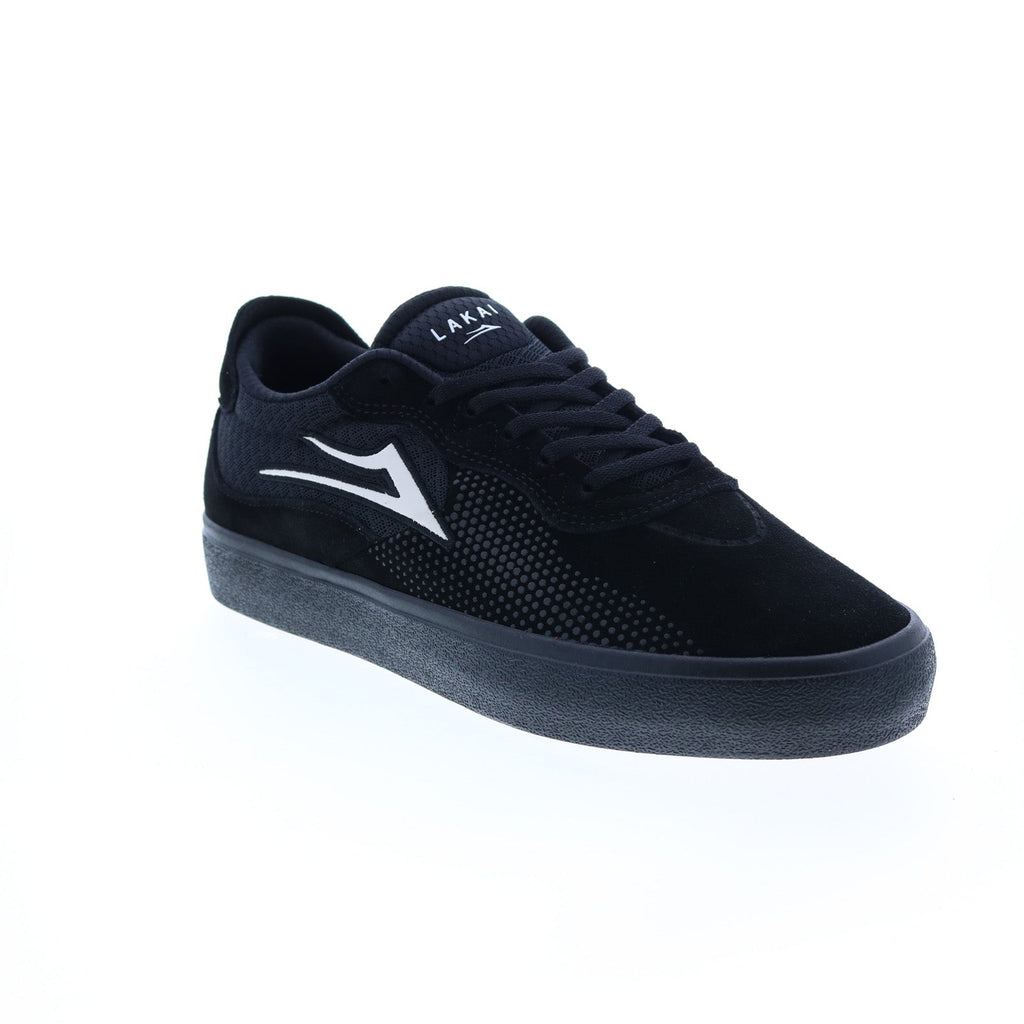
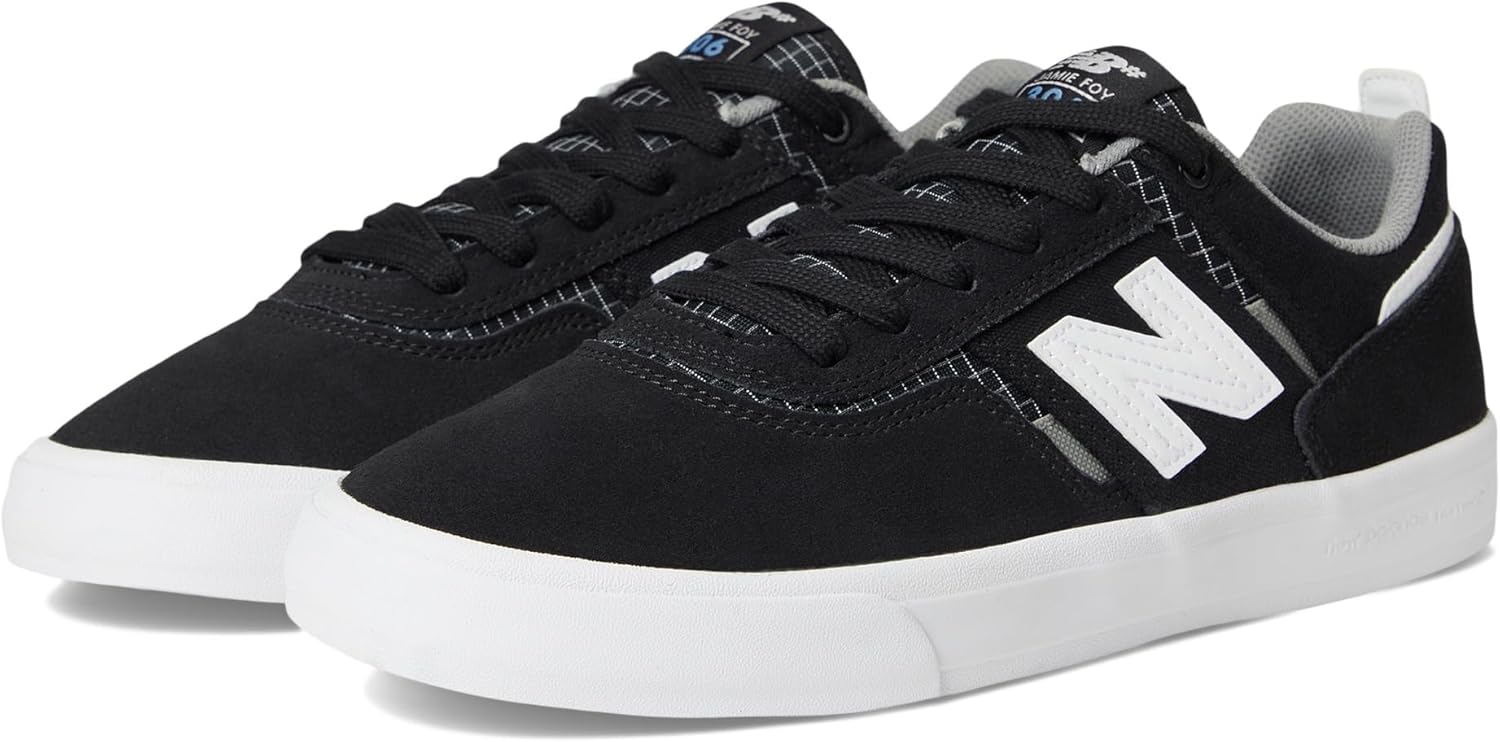
Vulcanization joins rubber and upper into a flexible unit
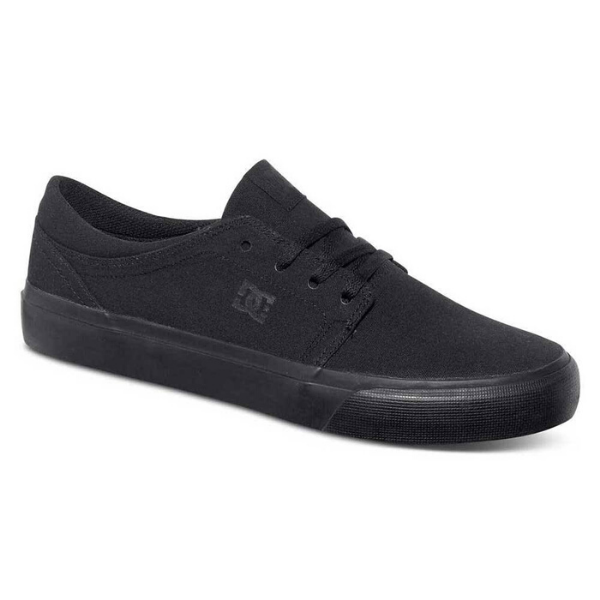
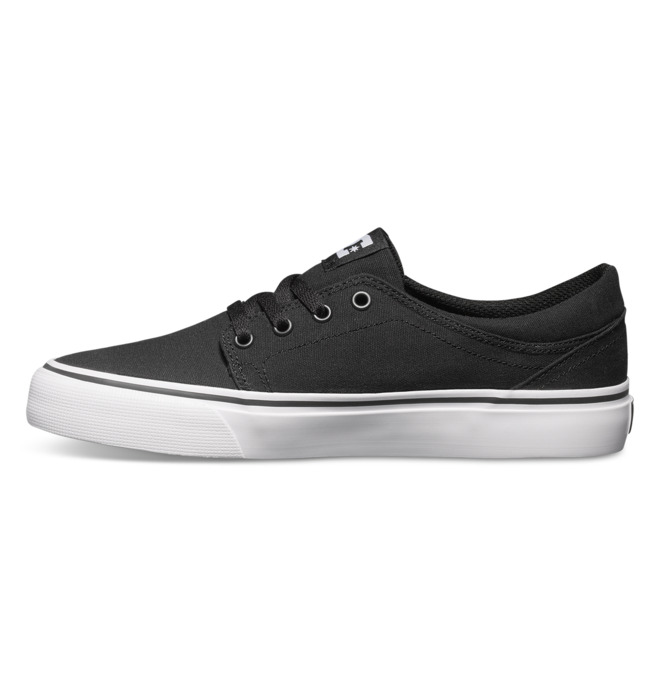
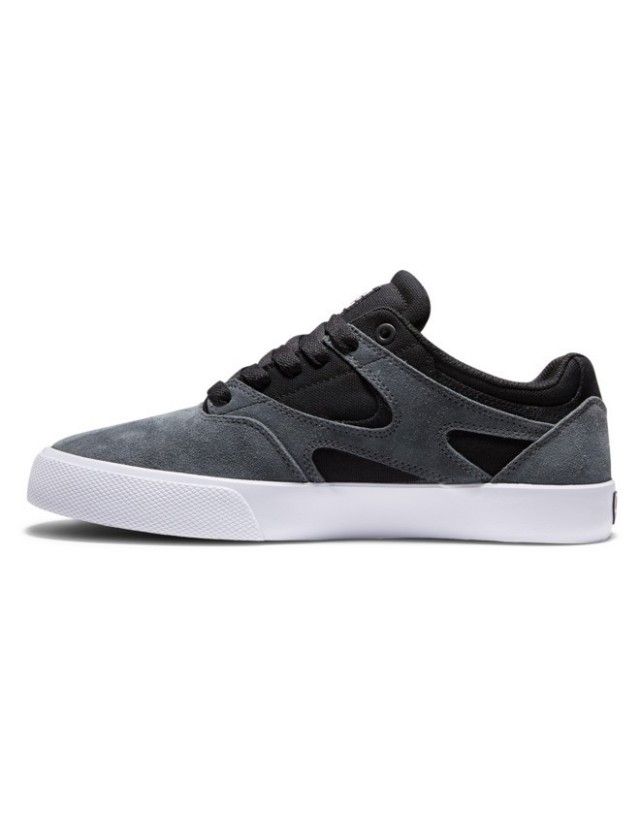
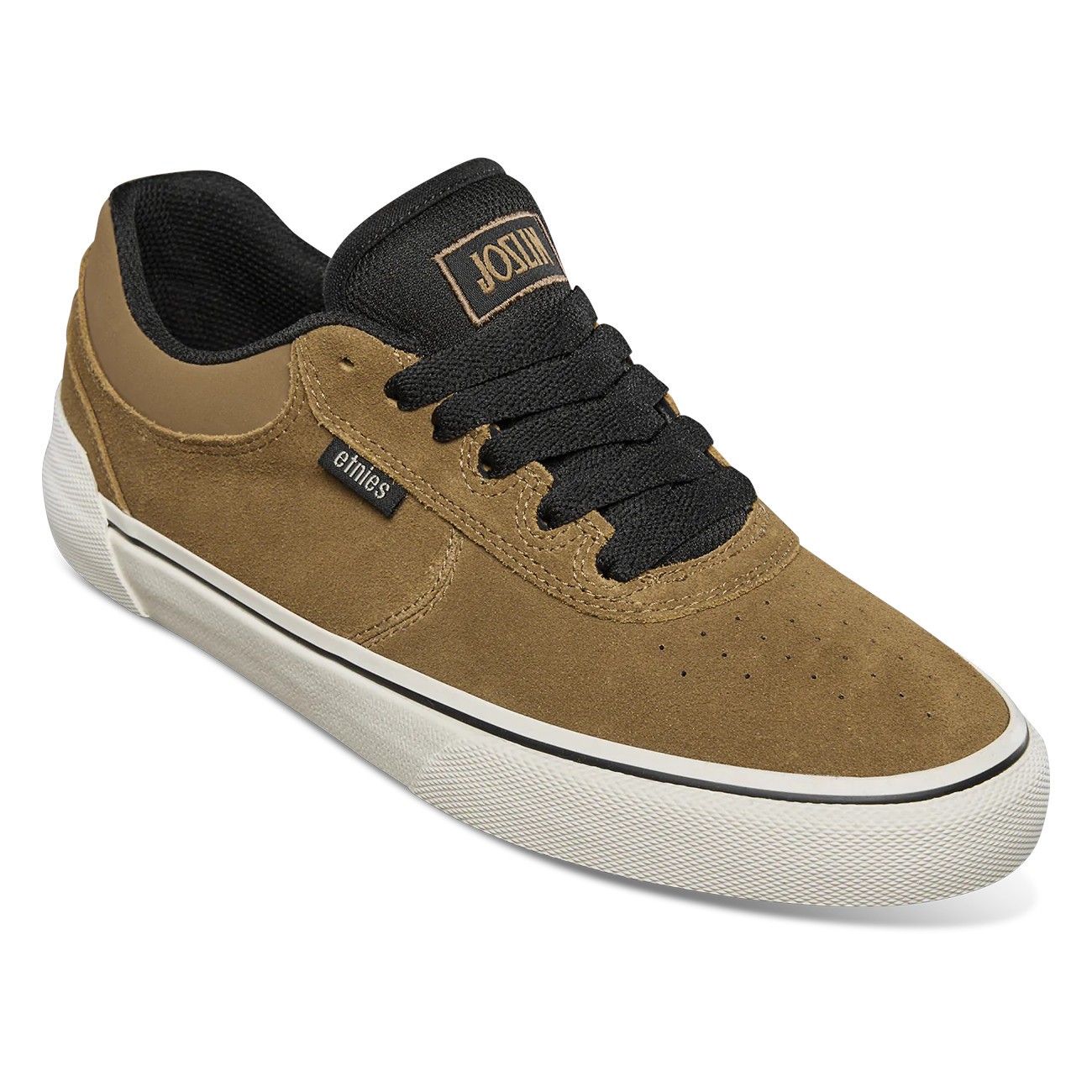
In skate footwear, vulcanized construction is recognized by rubber foxing wrapped around the upper and bonded to the outsole through heat and pressure. The method creates a low, flexible shoe without the molded sidewalls of a traditional cupsole. Skaters feel the result as quick bend and close contact with the deck.
The term describes construction, not a complete quality grade. Rubber compound, foxing height, insole, upper and factory execution still vary. Two vulcanized shoes can differ sharply in grip, cushioning and durability even when their side profiles look almost identical.
Foxing is the visible clue
The rubber strip running around the lower upper is called foxing. It helps bind the shoe and creates a protective edge where grip tape meets fabric or suede. Extra layers or raised bands can add abrasion resistance, while their thickness changes flex.
A foxing line is not always proof by itself because fashion shoes can imitate the appearance. Current product descriptions provide better evidence. Inspect bonding near the toe and flex point, where small lifted edges can grow under repeated skating.
Board feel is the defining advantage
The thin, pliable platform lets the rider sense concave, bolts and board angle with little delay. Technical flatground, manuals and ledges reward that information. Many vulcanized shoes also feel comfortable on the board quickly because the forefoot does not need a long structural break-in.
The same closeness passes vibration and landing force upward. Rough streets can feel harsher, and a thin sole offers less isolation on repeated drops. Maximum feedback is valuable only when the rider can finish the intended session without discomfort.
Modern insoles narrow the protection gap
Performance vulcanized shoes often use removable cushioned insoles or heel-focused inserts. They can soften impact while preserving the low exterior silhouette. Reinforced uppers and improved rubber also make current skate versions different from basic casual canvas shoes.
An insole cannot turn every vulcanized shoe into a deep cupsole. Very thick replacements reduce interior volume, lift the heel and dampen feedback. Select the shoe as a complete system rather than buying the thinnest shell and attempting to rebuild it inside.
As an Amazon Associate, we may earn from qualifying purchases.
View the mid-guide match on AmazonUpper material changes the use case
Suede is the all-around performance choice for abrasion and flick. Canvas lowers weight and improves airflow but needs reinforcement for repeated tricks. Leather supplies structure and a smooth surface, while mixed uppers place breathable panels away from concentrated wear.
The exact colorway may change material within one model family. Confirm the selected variant. A casual version and a Skate or Pro version can share a silhouette while using different backing, insole and rubber.
Vulcanized versus cupsole is a continuum
Cupsoles are molded units that generally offer more structure and room for cushioning. Vulcanized shoes generally flex sooner and transmit more board detail. Hybrid and engineered constructions deliberately blur those traits, so the label should guide comparison rather than end it.
Choose vulcanized for feedback, fast flex and lower weight. Choose cupsole for impact, support and shape retention. Choose a hybrid when neither extreme suits the terrain. Fit can reverse every theoretical advantage.
Durability is not automatically lower
A vulcanized sole can last well when its rubber, bond and upper match the rider. Failures may appear as worn tread, separated foxing, torn flick zones or compressed insoles. A cupsole has different risks and is not inherently indestructible.
Patch upper abrasion early, dry shoes at room temperature and inspect the foxing bond. Avoid heat-based home repairs that can damage the same adhesive and rubber the construction relies on. Retire a pair when separation or worn traction changes control.
Who should start with vulcanized shoes
Beginners learning basic board position often appreciate the clear platform, provided cushioning is adequate. Technical street skaters are the natural audience. Cruisers may like the easy flex, though long pavement walks can expose firmness.
Gap-focused riders and people recovering from heel pain should not chase thinness. Ongoing pain needs qualified assessment. The correct vulcanized shoe is the one that supplies useful feedback without exceeding the rider's impact tolerance.
When comparing two candidates in person, press neither sole as a substitute for skating. Instead, check where each forefoot bends, how firmly the heel sits and how much the toe can articulate while the shoe remains clean indoors. A good vulcanized match follows the foot without collapsing sideways. If the model needs painful tightness to feel controlled, another last will preserve board feedback more honestly.
Online shoppers should verify the exact Skate, Pro or ADV designation whenever a familiar silhouette has a casual counterpart. Performance versions may add reinforced panels, different rubber and removable cushioning while using nearly identical color blocking. A product-specific destination prevents a lifestyle release from receiving technical claims that belong to another construction.
People also ask
Questions that extend this decision
What Are Vulcanized Skate Shoes: Are Vans skate shoes vulcanized?
Many classic Vans skate models use vulcanized construction, while WaffleCup and other designs occupy different or hybrid lanes. Check the exact model.
What Are Vulcanized Skate Shoes: Do vulcanized shoes break in faster?
They generally flex sooner than structured cupsoles, though upper material and foxing thickness affect the process.
What Are Vulcanized Skate Shoes: Are vulcanized skate shoes bad for impacts?
They provide less structural isolation than many cupsoles, but modern insoles can help. Terrain and landing frequency determine whether protection is sufficient.
What Are Vulcanized Skate Shoes: How can I identify a vulcanized skate shoe?
Look for rubber foxing wrapped around the lower upper and confirm the construction in the maker's exact product description, since appearance alone can be imitated.
Final verdict
Choose the tradeoff you understand.
Vulcanized skate shoes bond a flexible rubber foxing strip and outsole around the upper, producing immediate flex and board feedback. Fit comes first, the repeated session demand comes second, and the exact current product identity comes third. Use Amazon to verify sizes and options without relying on stale price or stock claims.
As an Amazon Associate, we may earn from qualifying purchases.
Check current options on Amazon