

Start with sneaker size, then judge the actual shape
A skate shoe usually starts at the same labeled size as a comparable everyday sneaker, but that number is only the opening reference. Two pairs marked the same size can differ in toe taper, instep volume, heel shape, tongue padding and insole thickness. The correct pair holds the heel securely while allowing the toes to rest naturally instead of curling or pressing together.
Do not size up automatically just because a skate shoe feels firm. Extra length can place the flex point ahead of the ball of the foot, causing the upper to crease awkwardly and the heel to move. A better response is to compare a roomier model or width when available. Length should solve length; width should solve width.
Measure both feet before comparing size charts
Measure late in the day, when feet are more likely to reflect their normal working volume. Stand with full weight on a sheet of paper, mark the heel and longest toe, and measure the distance. Repeat for the other foot and use the larger measurement. Wear the sock thickness normally used for skating because thick socks occupy meaningful space inside a padded shoe.
A brand chart can translate foot length into a starting size, but it cannot show whether a model has a pointed toe or a high-volume forefoot. If a listing includes an official chart, use that chart rather than a generic conversion found elsewhere. Adult unisex models are often labeled on a men's scale, so women should verify the stated conversion instead of assuming every retailer presents sizes identically.
Run four checks during an indoor try-on
First, tap the heel back and lace the shoe as it would be worn during a session. Second, stand and confirm that the longest toe is not touching the end. Third, bend through the forefoot and make sure the shoe flexes near the ball of the foot. Fourth, take short lateral steps and notice whether the heel lifts or the foot slides across the insole.
Perform those checks indoors on a clean floor so the pair remains eligible under the seller's current return terms. A shoe can feel comfortable while sitting yet fail when the foot bends or moves sideways. The goal is held rather than squeezed: the midfoot should not swim, but lace tension should not be doing all the work of correcting a mismatched shape.
Padding changes the way a labeled size feels
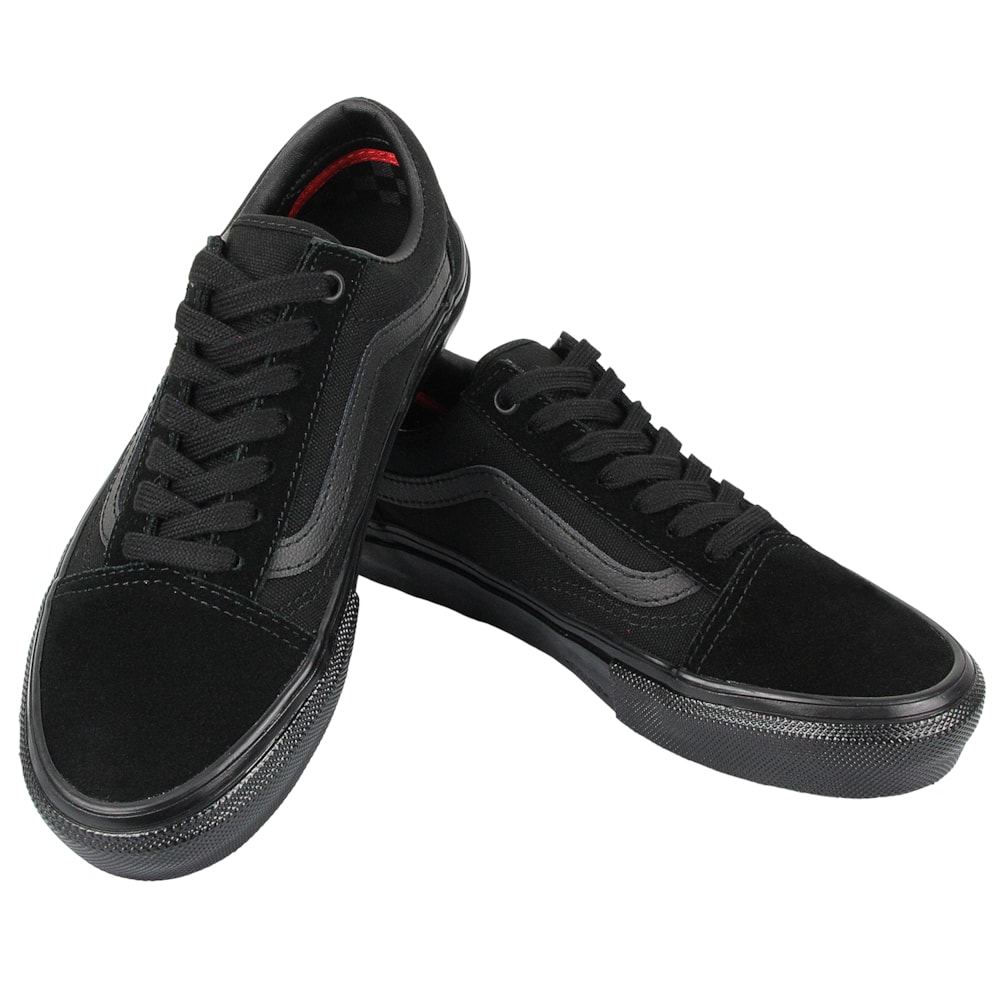
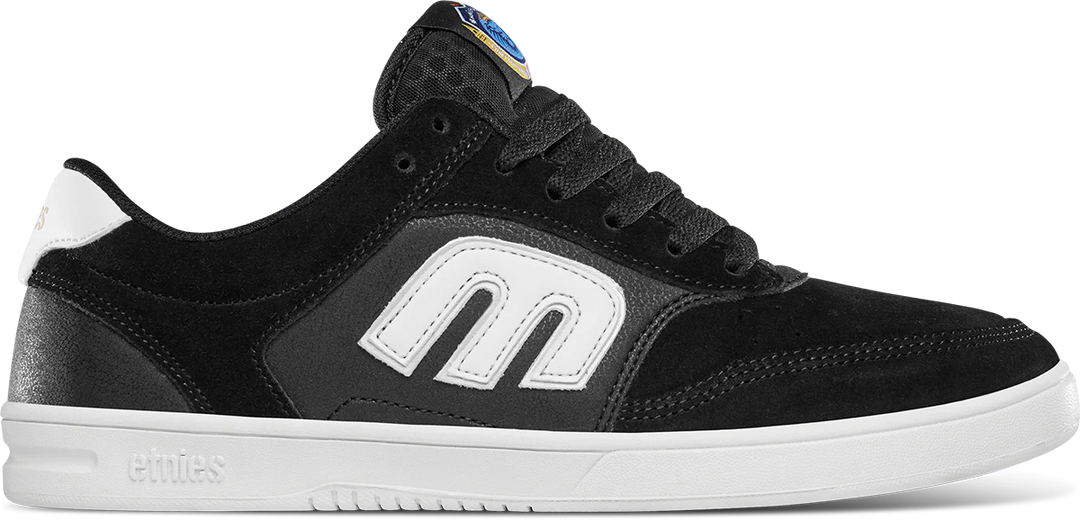
Puffy tongues and thick collars occupy interior volume and may make a technical shoe feel snug when new. Foam can settle with normal use, but the underlying last does not become longer and a narrow toe box does not become genuinely wide. Low-profile vulcanized shoes reveal their shape sooner because there is less padding between the foot and upper.
A removable insole creates another variable. Replacing it with a thicker supportive insert raises the foot, reduces instep room and can increase heel pressure. If an insert is part of the plan, test it during the return-safe try-on. Do not buy a tight shoe and assume an aftermarket insole will fix it; the insert usually consumes space rather than creating it.
As an Amazon Associate, we may earn from qualifying purchases.
View the mid-guide match on AmazonAllow normal break-in without forcing a bad fit
Suede often softens around the forefoot after several ordinary wears, while canvas tends to feel flexible quickly. Smooth leather may take longer to conform. Cupsoles can feel stiffer underfoot than vulcanized soles at first. These are normal changes in flex and surface feel, not permission to ignore numbness, sharp pressure or toes striking the end.
Use short casual wears and easy sessions to learn how a new pair settles. Avoid soaking, heating or violently bending the shoes, which can damage adhesives, materials and structure without improving the underlying size. If heel slip remains after careful lacing, or pressure becomes painful, exchange the shape or size rather than turning discomfort into a break-in project.
Match foot width to model shape, not brand reputation
Brands rarely use one identical shape across every model. A slim vulcanized signature shoe and a padded heritage cupsole from the same company may fit completely differently. Search model-specific fit information, compare the toe profile in exact product images, and look for an offered width designation. A wide colorway is not the same thing as a wide last.
Wide-foot shoppers should prioritize natural toe position and secure heel hold together. Simply adding length may create heel movement while leaving the forefoot squeezed by the same tapered shape. Narrow-foot shoppers face the reverse problem: a roomy toe box can be comfortable, but excess internal movement reduces control. Lacing can fine-tune a close fit; it cannot redesign the shoe.
Children and growing feet need a different approach
A child's skate shoe should include sensible growing room without becoming loose enough to fold, slide or catch. Check the fit more often than an adult pair because growth can make a previously comfortable shoe short before the upper looks worn. Youth and adult size scales overlap, so verify the actual chart attached to the product rather than converting from memory.
Durability matters for young skaters, but buying far too large to extend ownership can undermine stability and confidence. A better value strategy is a secure current fit, a model with reinforcement in the child's main wear zone, and regular checks. Replace the shoe when toes crowd the front, the heel no longer seats properly or the sole loses safe structure.
Make the final size decision in a fixed order
Confirm length first, width and toe shape second, heel hold third, and insole volume fourth. Only then compare collar height, sole construction and color. This order prevents style or a sale label from talking the shopper into a pair that cannot fit. If two sizes both seem plausible, the clean indoor movement test is more useful than guessing which will stretch.
Use exact Amazon product pages to confirm the selected model, size scale and variation. Similar names may lead to lifestyle and skate-specific versions with different construction. A strong size choice is not the tightest possible shoe; it is the pair that stays aligned with the foot during flex and lateral movement while leaving the toes in a natural position.
People also ask
Questions that extend this decision
Skate Shoe Size and Fit: The Complete Guide: Should skate shoes be tighter than normal sneakers?
They should feel secure, but not painfully tight. Heel hold and correct flex matter more than squeezing the foot. A model that requires numbness or curled toes is the wrong shape or size.
Skate Shoe Size and Fit: The Complete Guide: Should wide-foot skaters buy a larger size?
Not automatically. Extra length can cause heel slip without creating enough forefoot width. Look for a roomier model or a verified wide option first.
Skate Shoe Size and Fit: The Complete Guide: Do suede skate shoes stretch?
Suede commonly softens and gives slightly around pressure points, but it will not add meaningful length or transform a narrow last into a wide one.
Skate Shoe Size and Fit: The Complete Guide: Can a thicker insole change skate-shoe fit?
Yes. A thicker insert raises the foot and reduces interior volume, especially over the instep and around the heel. Test the intended insole before keeping the pair.
Final verdict
Choose the tradeoff you understand.
Skate shoes generally begin at your normal sneaker size, but model shape, padding and break-in matter more than the number alone. Fit comes first, the repeated session demand comes second, and the exact current product identity comes third. Use Amazon to verify sizes and options without relying on stale price or stock claims.
As an Amazon Associate, we may earn from qualifying purchases.
Check current options on Amazon