
Durability begins with the first failure
The toughest shoe is the one reinforced where a particular skater destroys footwear. Before comparing models, inspect the retired pair and identify what ended its useful life: a hole beside the little toe, a torn ollie panel, sliced laces, smooth tread, separated foxing, or cushioning that no longer softens landings. Each failure points toward a different remedy. Extra suede does little for a rider who polishes through the outsole, while a thicker sole does not protect an exposed kickflip seam. Photographing the damage after several sessions creates a personal wear map and prevents a bulky shoe from winning simply because it looks substantial.
Suede is the dependable upper benchmark
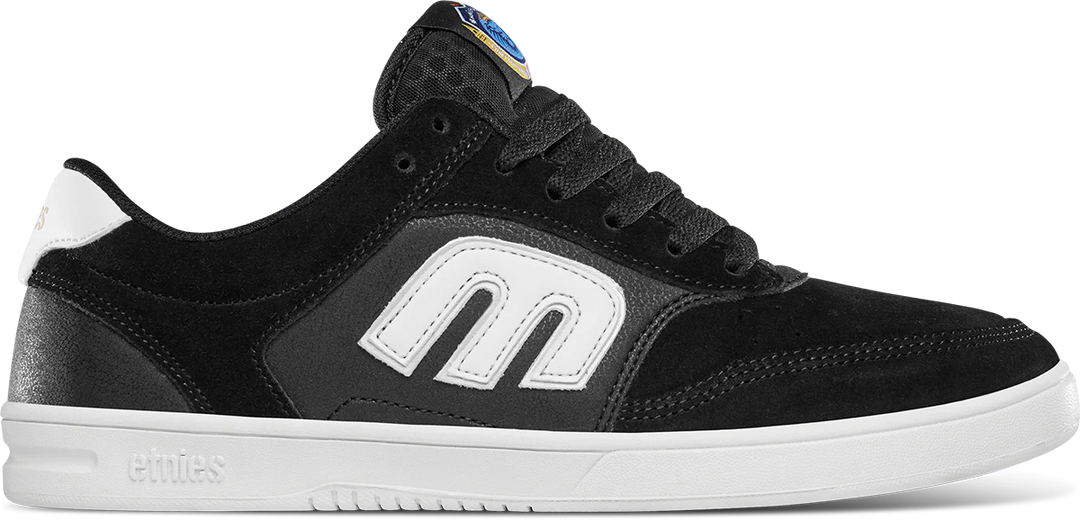
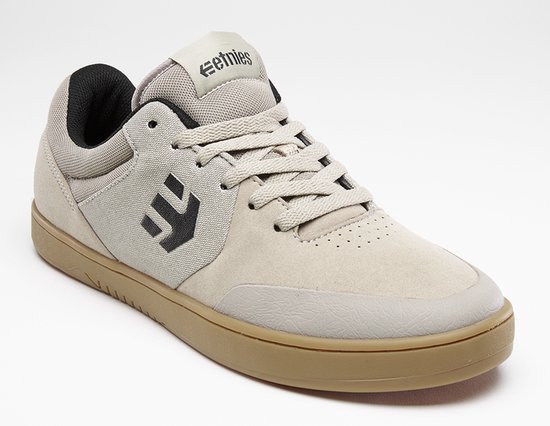
Suede remains the safest all-purpose starting point because its nap gives a controlled flick surface and the material usually tolerates grip-tape abrasion better than plain canvas. Quality still depends on thickness, backing, seam location, and how much suede actually covers the contact path. A tiny suede toe cap cannot rescue a textile side panel that meets the board on every ollie. One-piece forefoot panels reduce exposed edges, while double stitching helps only when it sits outside the main scrape zone. Leather can also last well, but its smoother surface, firmer break-in, and creasing make it a different experience rather than an automatic upgrade.
Hidden reinforcement often matters more than bulk
A durable shoe does not need to look armored. Backing beneath the upper can keep the foot covered after the surface layer thins, and a rubber underlay can protect a precise flick area without making the whole shoe stiff. Raised sidewalls, toe bumpers, recessed stitching, and protected eyelets concentrate material where it earns its weight. Examine product photographs for panel boundaries and lace exposure, then verify the exact color because manufacturers sometimes change materials within a model family. The useful design is not the one with the most layers; it is the one whose layers overlap the rider's actual board-contact path while allowing the forefoot to bend naturally.
Outsole wear sets a separate clock
Upper survival can hide an outsole that has already become unreliable. Check the ball of the foot, heel edge, and pivot area for flattened tread, glazing, cracks, or rubber peeling away from the sidewall. Vulcanized shoes can use substantial foxing and grippy rubber yet still lose pattern through frequent foot braking. Cupsoles may preserve structure longer, although tread compound and contact geometry vary widely. Rotate the shoe under bright light and compare left with right; asymmetry often reveals pushing and stopping habits. Retire a pair when grip becomes unpredictable or the bond opens, even if a repaired toe still looks ready for another month.
Fit determines where stress accumulates
Poor fit accelerates damage. Excess length lets the forefoot slide and folds the upper at the wrong point, while a cramped width stretches seams and concentrates pressure along the side. Heel movement encourages aggressive lacing, which can cut eyelets and laces faster. During an indoor try-on, wear skating socks, set normal tension, crouch, and shift laterally. The heel should move with the shoe and the toes should remain naturally positioned. Materials can soften, but break-in cannot relocate the flex point or create a wider last. A correctly shaped, moderately reinforced pair often outlasts a heavier shoe that fights the foot throughout every session.
Small repairs must happen before the hole
Maintenance works best while damage is local. Brush grit from suede so abrasive particles do not remain embedded, dry wet shoes at room temperature, and replace a deeply frayed lace before it snaps. A thin compatible repair over the first visible groove can slow further abrasion; a thick hardened mound can alter flick and create a new edge that catches. Never cover sole separation, exposed internal structure, or unstable tread merely to keep skating. Alternate pairs when possible so foam and moisture can recover between sessions. Record the repair date and inspect the same spot after each outing to see whether the intervention is actually slowing wear.
Choose a durable lane without sacrificing control
Build the final comparison around three constructions: a reinforced suede cupsole for repeated impact, a balanced shoe that protects the flick zone without excessive volume, and a flexible vulcanized option with credible sidewall coverage. Reject any pair that fails fit before debating lifespan. Then match the winner to the damage seen on the old shoe and the hardest repeated terrain, not an occasional large obstacle. Durability is useful only while grip, cushioning, flex, and foot security remain predictable. The correct answer may be a rotation of two complementary shoes rather than one supposedly indestructible model asked to handle every surface and style of skating.
People also ask
Questions that extend this decision
What Are the Most Durable Skate Shoes: Which skate-shoe upper usually resists grip tape best?
Reinforced suede is the strongest general starting point, especially when a broad one-piece panel covers the rider's flick path. Backing and seam placement can matter as much as the material name.
What Are the Most Durable Skate Shoes: Does a cupsole automatically last longer than a vulcanized sole?
No. Cupsoles often hold structure well, but rubber compound, tread depth, sidewall bonding, foot braking, and surface roughness determine actual wear.
What Are the Most Durable Skate Shoes: When should I repair a skate shoe?
Repair the first shallow groove or lifted edge, before fibers open into a hole. Do not use cosmetic repair to conceal sole separation, unstable tread, or collapsed cushioning.
What Are the Most Durable Skate Shoes: Can rotating two pairs extend their useful life?
Rotation can give moisture and foam time to recover and makes wear easier to monitor. It does not make an unsafe or badly fitting pair suitable for skating.
Final verdict
Choose the tradeoff you understand.
Durable skate shoes combine suede or leather, reinforced high-wear zones and an outsole matched to how aggressively you skate. Fit comes first, the repeated session demand comes second, and the exact current product identity comes third. Use Amazon to verify sizes and options without relying on stale price or stock claims.
As an Amazon Associate, we may earn from qualifying purchases.
Check current options on Amazon