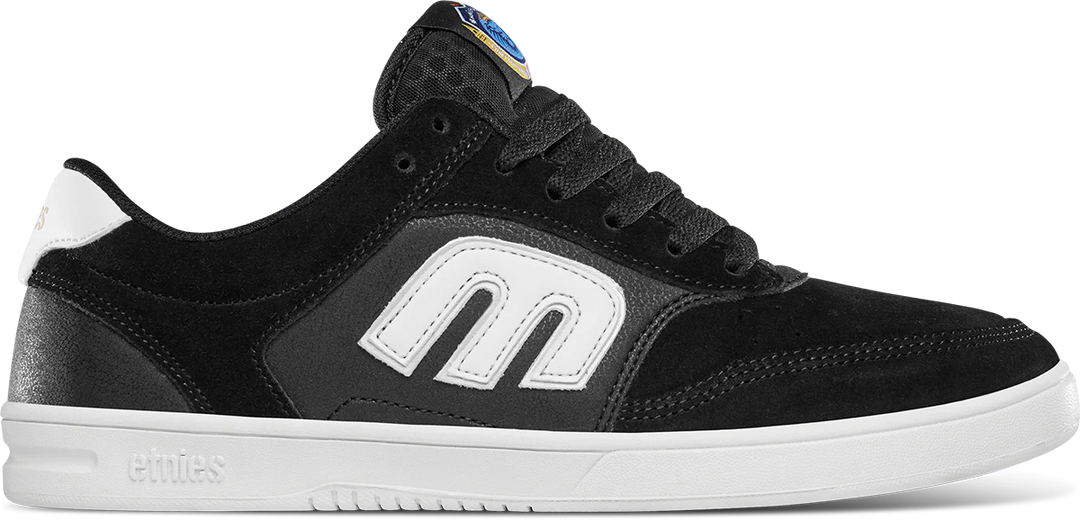

The most comfortable skate shoe is the one that fits your foot and session
Comfort cannot be reduced to the softest insole. A skate shoe must hold the heel, give the toes enough shape, flex where the foot flexes and provide the right amount of protection for the rider's landings. A pillowy shoe that slides on the foot becomes tiring and imprecise. A thin shoe that fits perfectly may feel excellent for flatground but harsh during repeated drops.
Begin by separating immediate try-on comfort from session comfort. Thick padding often feels welcoming in a bedroom, yet can become hot or compress unevenly after skating. Firmer cushioning may feel less dramatic at first but remain stable longer. The relevant test is whether pressure, heel movement and impact discomfort increase after a normal session or a full day of casual wear.
Fit problems often disguise themselves as cushioning problems
A narrow toe box can create burning or numbness that no insole solves. Excess length can let the foot slide forward on landings, making the toes hit the front. A loose heel causes friction and forces the toes to grip. Measure both feet, use the larger measurement and compare it with the exact brand chart. Then consider the model's padding and shape rather than assuming one size works across a brand.
Width deserves equal attention. Sizing up to gain width can place the flex point ahead of the foot and reduce control. Look for explicit wide options or models known through verified measurements to offer more forefoot volume. High insteps may need adjustable lacing and a tongue that distributes pressure. Slip-ons can be comfortable, but their elastic and last must match the foot because there is little adjustment.
Cupsoles usually lead for repeated impact
Cupsole construction typically offers more underfoot structure and room for cushioning than a very thin vulcanized sole. Riders skating stairs, gaps or hard transition often prefer that stable platform, especially beneath the heel. Examples across the market include technical models from New Balance Numeric, DC, etnies, adidas, Globe and others, but comfort still varies with shape and the exact cushioning package.
The tradeoff is break-in and feedback. A thick cupsole may feel stiff during the first sessions and can make subtle deck position less obvious. That does not make it unsuitable for technical skating; it simply asks the rider to adapt. Hybrid and lower-profile cupsoles can narrow the gap. When comparing models, look at overall sole height, flex points and heel stability rather than the construction label alone.
Vulcanized shoes can be comfortable in a different way
A flexible vulcanized shoe moves naturally and often avoids the rigid edge pressure of a new cupsole. For low-impact street skating, cruising and short casual wear, that close-to-the-board feel can be the most comfortable option. Modern performance versions may pair a thin exterior profile with a removable cushioned insole, giving the heel more help without turning the shoe into a bulky platform.
However, a soft removable insole cannot compensate for insufficient structure in every situation. Cushioning can bottom out during hard landings, and thin forefoot rubber transmits rough pavement. Skaters who like vulcanized control but need more protection should compare deeper heel cups, supportive insoles and hybrid sole designs. The best compromise preserves the familiar flex while removing the specific discomfort that limits a session.
Tongue, collar and lining shape matter all day
A padded tongue spreads lace pressure and protects the top of the foot from board contact. A slim tongue breathes better and keeps the shoe precise. Thick collars can lock the heel and soften board strikes, but they may rub the ankle or feel restrictive. Internal seams, tongue drift and a rough heel counter can ruin an otherwise excellent cushioning system.
Wear the socks used for skating when testing these areas. Lace the shoe normally, bend the knees and lift the heel several times. Pressure should not concentrate under one eyelet, and the tongue should not fold into a hard ridge. High-tops add coverage but do not guarantee support or injury prevention. A well-shaped low-top can feel more secure than a poorly fitted high-top.
Comfort lanes worth comparing
For impact-first comfort, compare structured cupsoles such as etnies Marana-family shoes, New Balance Numeric technical models, DC performance cupsoles and padded Globe silhouettes, using exact model data. For flexible comfort, compare Vans Skate Classics, Nike SB Janoski-style models and low-profile Numeric vulcanized shoes. For a middle path, investigate hybrid constructions and moderate cupsoles rather than choosing by brand loyalty.
Casual comfort is its own lane. A shoe used mainly for walking may benefit from breathability, moderate weight and a smooth flex more than maximum ollie reinforcement. Youth comfort requires frequent length checks because growth can turn a previously good shoe into a pressure source. Replacement insoles can refine feel, but they change volume and should not lift the heel or crowd the toes.
Use discomfort as information, not something to push through
A short break-in can soften suede and help a sole flex, but pain is not proof that a skate shoe is becoming better. Numb toes, sharp heel pain, persistent arch pain or swelling are reasons to stop. Check sizing, lacing, socks and insole placement, then seek professional guidance if symptoms continue. Footwear can change pressure and impact feel, but it cannot diagnose or treat an injury.
Keep notes after two or three sessions: where the shoe presses, where the outsole feels harsh, whether the heel moves and whether the upper becomes sloppy as it warms. Those observations make the next choice far more accurate than a universal comfort ranking. The most comfortable skate shoe is a repeatable match between foot shape, construction and the exact demands of the session.
People also ask
Questions that extend this decision
What Are the Most Comfortable Skate Shoes: Are cupsole skate shoes more comfortable?
They often provide more structure and impact protection, which can improve comfort for hard landings. Some riders still prefer the flexibility and close feel of vulcanized shoes for lower-impact skating.
What Are the Most Comfortable Skate Shoes: Can I add comfort insoles to skate shoes?
Yes, when the original insole is removable and the replacement does not crowd the toes or lift the heel. A thicker insole changes fit as well as cushioning.
What Are the Most Comfortable Skate Shoes: Why do comfortable skate shoes hurt after an hour?
Common causes include excess heel movement, a narrow forefoot, concentrated lace pressure, heat, or cushioning that compresses during use. Reassess the whole fit rather than only adding softness.
What Are the Most Comfortable Skate Shoes: Should skate shoes feel tight at first?
They may feel secure and some uppers soften, but toes should remain flat and there should be no numbness or sharp pressure. Painful tightness is a fit warning, not required break-in.
Final verdict
Choose the tradeoff you understand.
Comfort usually comes from the right width, a stable heel, enough cushioning for your landings and a tongue that does not create pressure. Fit comes first, the repeated session demand comes second, and the exact current product identity comes third. Use Amazon to verify sizes and options without relying on stale price or stock claims.
As an Amazon Associate, we may earn from qualifying purchases.
Check current options on Amazon