


DC began as a technical skate-footwear project
DC Shoes emerged in the mid-1990s through Ken Block and Damon Way, with roots connected to Droors Clothing. The company entered a skate market that was ready for footwear built around the demands of professional street skating rather than simple canvas adaptations. Its early identity emphasized team riders, technical construction and a bold visual language.
The initials became the name people remembered, while the footwear developed its own identity beyond the clothing connection. DC's growth was tied to skate videos, influential riders and models that looked engineered for hard street use. That combination helped move skate shoes toward thicker padding, structured soles and highly recognizable signature designs.
Signature models made the team central to the brand
DC built credibility through close association with skaters whose styles shaped the period. Pro models attached design details to a rider's needs and public image, making footwear part of how fans understood a skate part. The Lynx, Kalis lines and other technical silhouettes became more than catalog entries; they represented an era of fast, powerful street skating.
That approach also created variety. Not every DC shoe was equally puffy or heavy, but the brand became identified with substantial tongues, supportive cupsoles and layered uppers. The design language was visible enough to cross into everyday streetwear while remaining connected to skate performance.
The puffy technical era changed what skate shoes looked like
Late-1990s and early-2000s skate footwear often treated protection as a visible feature. Padding surrounded the tongue and collar, cupsoles became substantial, and panels reinforced high-wear zones. DC was one of the names that made this architecture culturally important. The shoes communicated technical purpose before a rider ever stepped on a board.
The tradeoff was bulk. As skateboarding later swung toward slimmer vulcanized shoes, many technical designs looked excessive to a new generation. That change did not erase their influence. Current interest in puffy shoes shows how performance needs and nostalgia can return together, especially when modern buyers want more cushioning than minimal silhouettes provide.
Court Graffik carried the look beyond core skate sessions
The Court Graffik became one of DC's most recognizable shapes, combining a large side logo, padded upper and cupsole profile. Its appeal extended beyond active skaters because the shoe made the brand's visual identity easy to recognize. It remains useful to separate style popularity from exact skate suitability: materials and variants should be checked individually.
The model's persistence shows how a skate-derived silhouette can become an everyday staple. Buyers may choose it for padding and appearance, while technical skaters may compare it with lower-profile DC options. A familiar name does not remove the need to inspect the outsole, upper and fit of the exact Amazon listing.
As an Amazon Associate, we may earn from qualifying purchases.
View the mid-guide match on AmazonCorporate growth widened the audience
DC expanded well beyond a small footwear label and became part of a larger action-sports business. Broader distribution brought the logo to shoppers who did not follow skate media closely. That scale created opportunity but also made product identity more complicated, with casual, youth, lifestyle and skate-oriented versions sharing the same brand environment.
For today's catalog, that means the DC name alone is not enough evidence. Court Graffik, Pure, Manteca, Lynx-related designs and slimmer team shoes occupy different lanes. A responsible guide identifies the exact model and current construction rather than using the brand's technical history as proof that every pair performs the same way.
DC's archive is active because the shapes remain distinctive
Many old skate shoes are remembered mainly through photographs, but DC's design ideas remain visible in current street style. Large tongues, layered panels and bold logos have returned as fashion cycles revisit the 2000s. Skaters also reassess the practical value of padding and cupsole protection after years dominated by very thin shoes.
Archive interest can create confusing marketplace listings. Old stock, reissues, lifestyle variants and current performance models may appear beside one another. Materials age, especially foam, rubber and adhesive, so an unworn older pair is not automatically suitable for skating. Verify condition, seller, size and return terms before treating a collectible as equipment.
How the major model families differ today
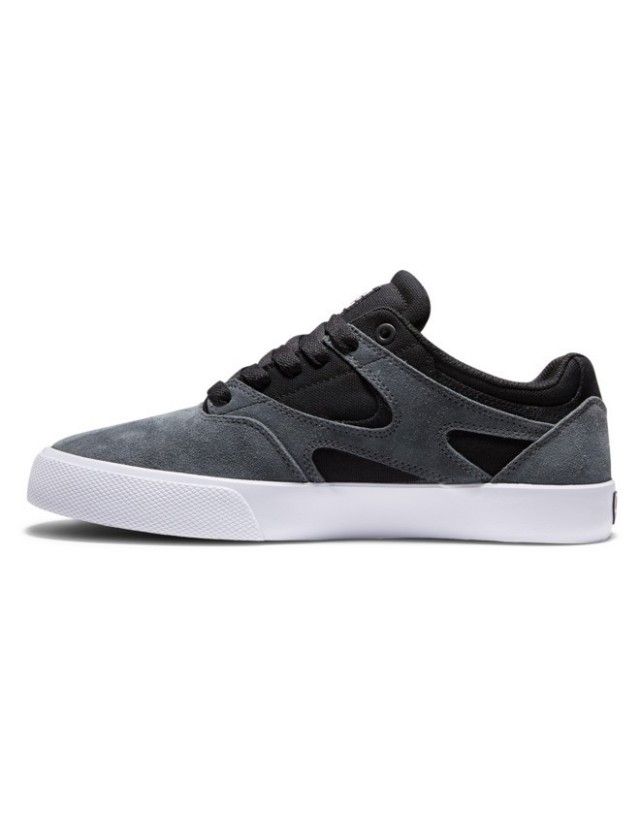
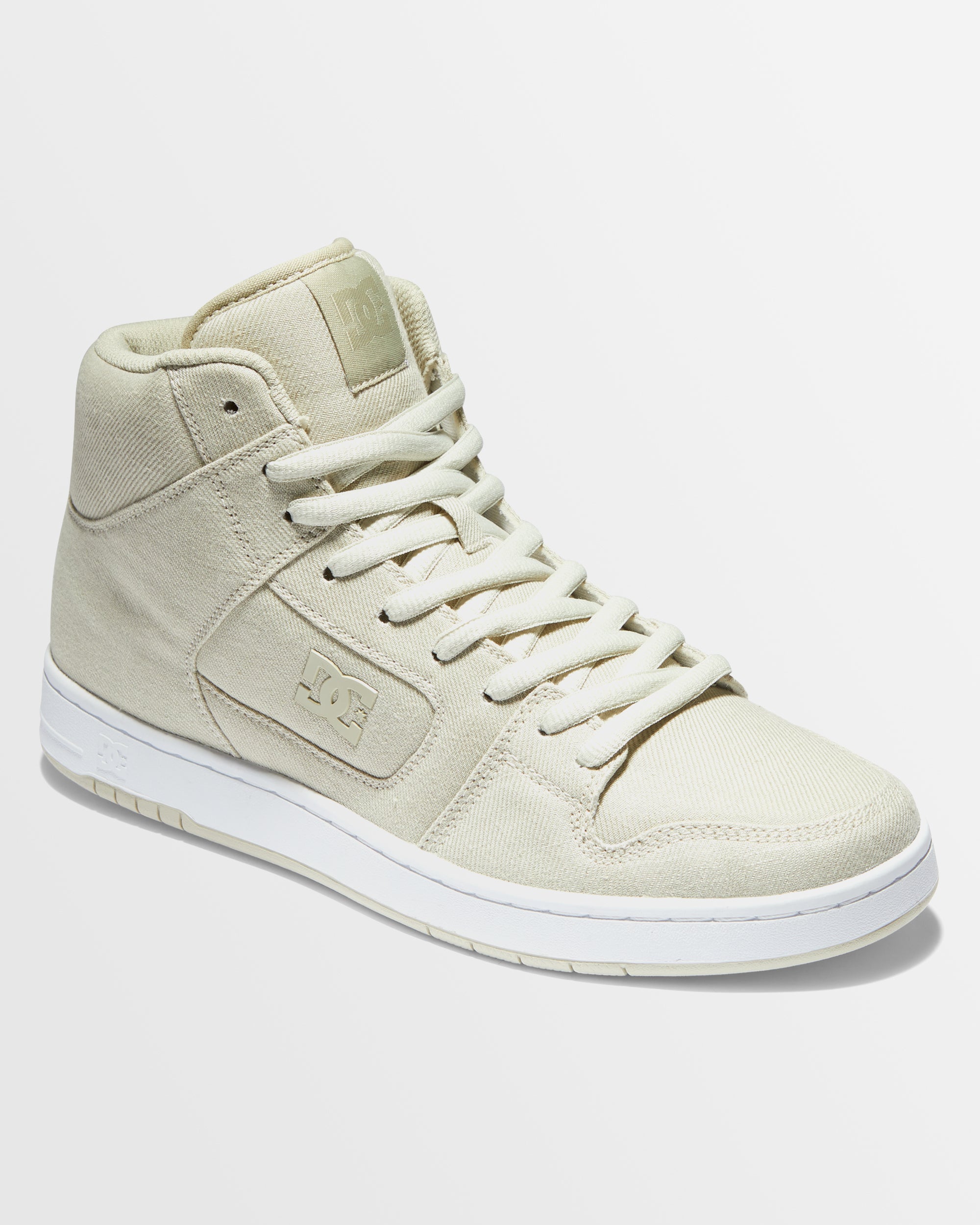
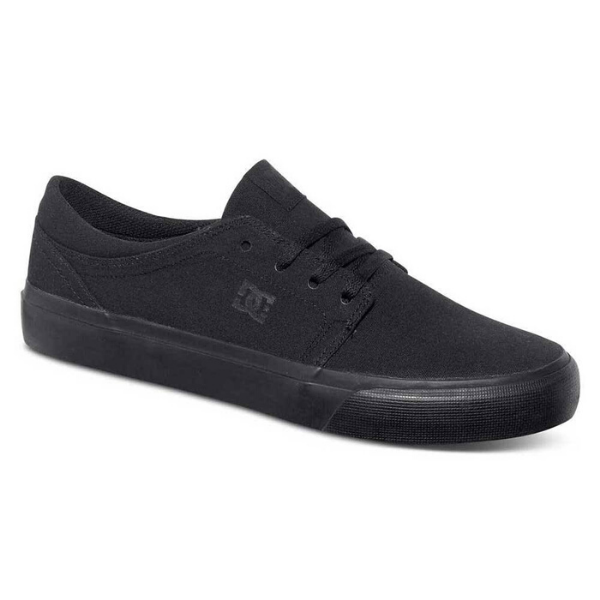
Court Graffik represents the maximal padded style. Pure and Manteca families offer other heritage-informed shapes, while Lynx and Kalis references connect more directly to technical street history. DC also produces lower-profile options that do not match the stereotype of every DC shoe being bulky. The useful comparison begins with the exact model, not the decade associated with the logo.
Shoppers seeking impact protection may gravitate toward structured cupsoles and padded collars. Riders prioritizing board feel should look for slimmer builds and more flexible constructions within the lineup. Women and youth shoppers should confirm whether a listing uses a dedicated or unisex size scale. The historical overview helps explain the choices but cannot replace model-level fit.
DC's lasting contribution is the idea that protection can have identity
DC helped establish that skate technology did not need to hide inside a plain shoe. Padding, panels and sole structure could become the visual signature. That idea influenced competitors and made technical footwear a central part of skate culture. Even when trends moved toward minimalism, the archive remained a reference point for later revivals.
A current buyer can use that history constructively: choose the Court Graffik lane for bold padding and everyday style, a Manteca or Pure lane for different heritage balances, or a slimmer DC model for closer board contact. Use exact Amazon product links to verify the live option rather than assuming an archive reputation describes every modern pair.
People also ask
Questions that extend this decision
DC Skate Shoes History: From Technical Performance to Street Icon: Who founded DC Shoes?
Ken Block and Damon Way founded the footwear business that became DC Shoes, with early roots connected to Droors Clothing in the mid-1990s.
DC Skate Shoes History: From Technical Performance to Street Icon: What did DC originally stand for?
The name is linked to Droors Clothing, although DC Shoes developed into its own distinct footwear identity and globally recognized brand.
DC Skate Shoes History: From Technical Performance to Street Icon: Why were old DC skate shoes so puffy?
The padding and structured cupsoles reflected an era focused on impact protection, technical styling and substantial support for hard street skating.
DC Skate Shoes History: From Technical Performance to Street Icon: Are all DC shoes made for skateboarding?
No. DC sells skate-derived, casual, youth and other footwear. Check the exact model's construction and product description before treating it as a performance skate shoe.
Final verdict
Choose the tradeoff you understand.
DC Shoes was founded by Ken Block and Damon Way and helped define the padded technical skate-shoe era. Fit comes first, the repeated session demand comes second, and the exact current product identity comes third. Use Amazon to verify sizes and options without relying on stale price or stock claims.
As an Amazon Associate, we may earn from qualifying purchases.
Check current options on Amazon