

Walking comfort and skate performance overlap only partly
Skate shoes use flat stable soles for board control, while walking shoes often use curved geometry and softer cushioning for forward motion. A pair can work for school, errands and short commutes, but the best skate shoe for walking balances off-board comfort without becoming unstable on the board.
Do not treat a padded tongue as proof of walking comfort. Heel cushioning, flex point, weight, breathability and fit matter more. Long-distance walkers may still need a walking-first shoe.
Best structured crossover lane
New Balance Numeric 440 or 480, adidas Busenitz or Samba ADV and selected supportive Nike SB models provide more underfoot structure than thin vulcanized classics. They can feel steadier during hours off the board while retaining skate-oriented shapes.
More structure adds weight and break-in. A high instep may feel pressure in padded court-derived uppers. Test the exact pair indoors and do not assume a running brand turns a skate model into a running shoe.
Best flexible casual lane
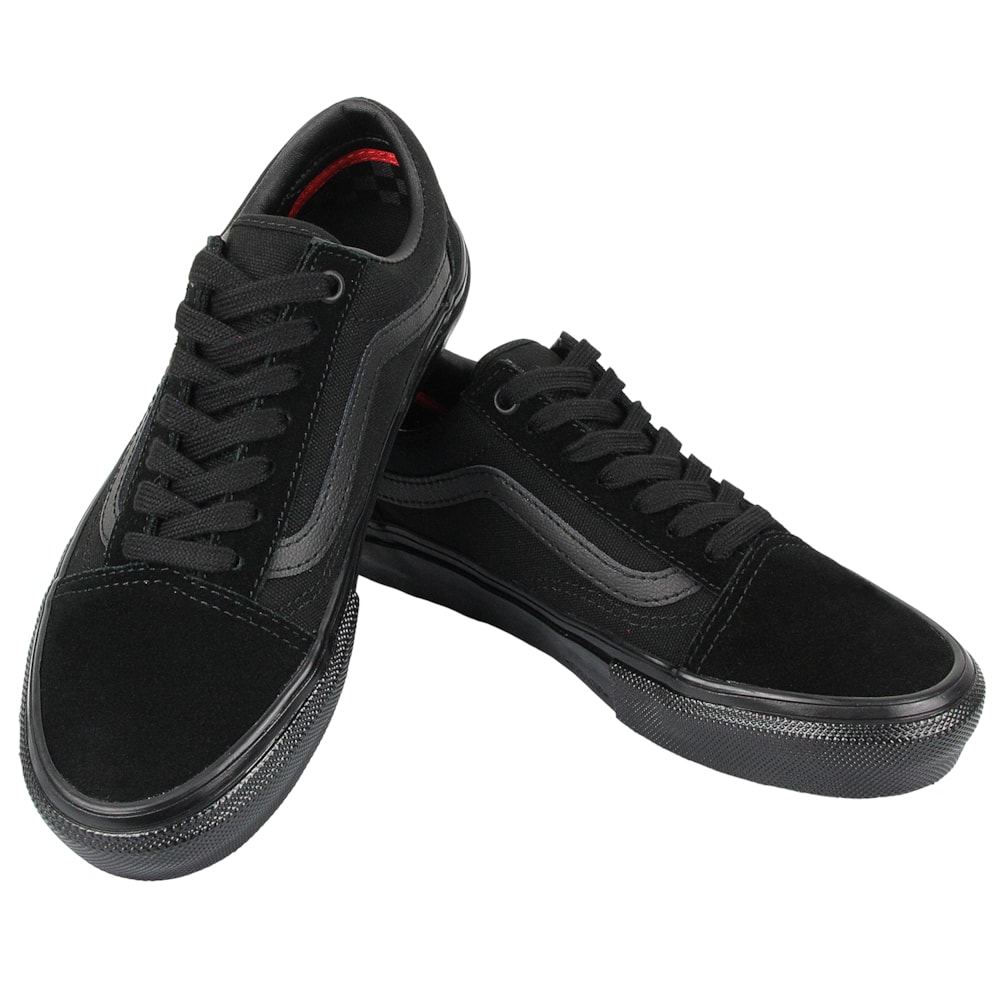
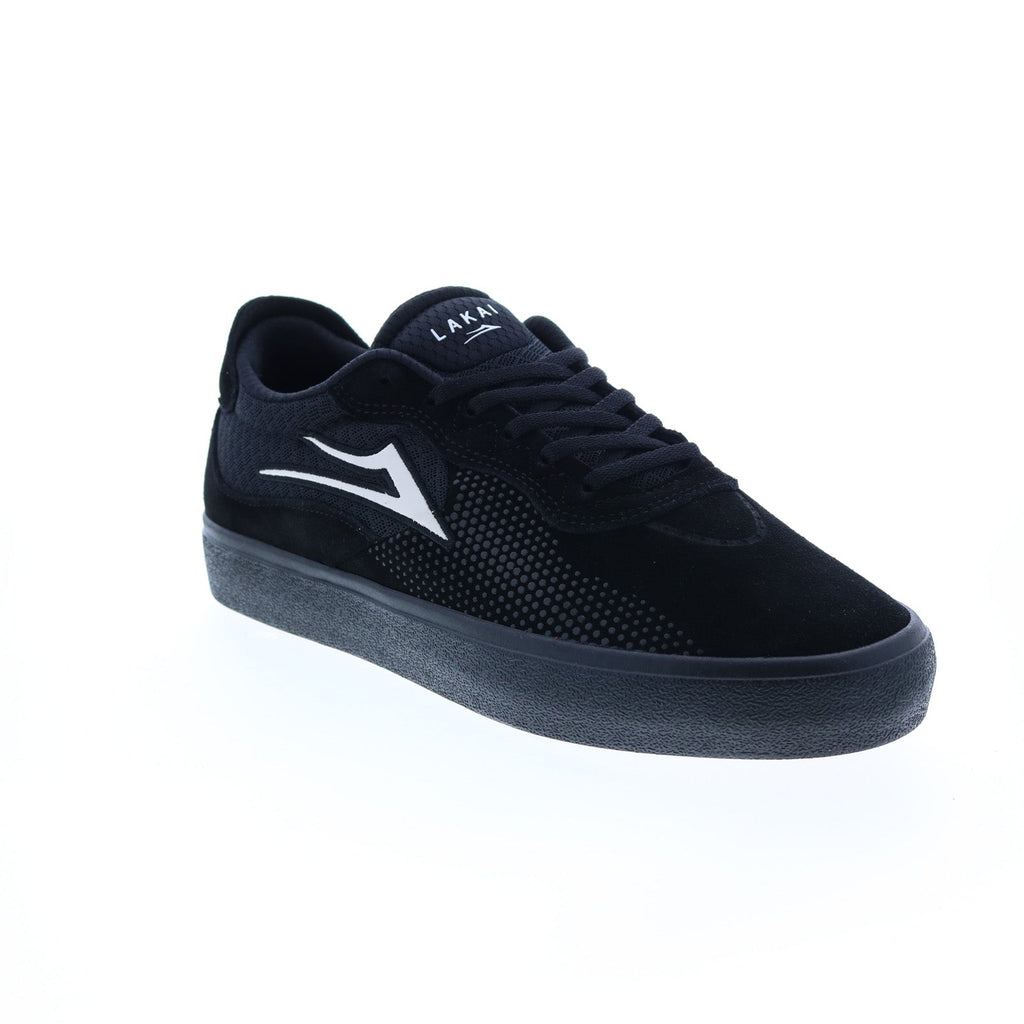
Vans Skate Old Skool, Skate Era, Lakai Cambridge and similar low tops flex easily and pair naturally with everyday clothing. They work for lighter walking when the foot likes a flat sole. Skate-specific footbeds can improve comfort over basic lifestyle versions.
The compromise is firmness and impact transfer. A thin vulcanized shoe may feel tiring during long pavement use. Choose it when board feel remains important and walking distances are moderate.
Puffy shoes feel soft but can become heavy
DC Court Graffik, éS Accel OG, Globe Tilt or Sabre and other padded shoes surround the foot with foam. That can create pleasant step-in comfort and a planted feel. It also adds warmth and mass, which some walkers notice after hours.
Interior volume matters. A thick tongue can squeeze the instep despite a broad exterior. Choose the puffy lane for wanted style and support, not as a universal comfort shortcut.
As an Amazon Associate, we may earn from qualifying purchases.
View the mid-guide match on AmazonFit for walking includes heel behavior over time
A shoe that feels secure for ten skate minutes may rub after a long walk. Test heel movement, toe expansion and pressure at the collar. The toes should remain natural, and the heel should not rise with every step.
Socks and insoles change volume. A thicker insert may improve cushion while causing instep or heel pressure. Test the intended setup before keeping the pair. Persistent pain is not a shopping problem to solve through more break-in.
Breathability and material affect daily use
Canvas and mesh zones release heat but can sacrifice abrasion life. Suede balances skating durability with moderate structure. Leather can be supportive and easy to wipe but warmer. Mixed uppers often provide the best compromise when breathable panels sit away from grip tape.
Let damp shoes dry naturally and rotate pairs if they serve daily wear and sessions. A shoe that never dries can develop odor and deteriorate faster.
Know when to keep separate pairs
A commuter walking many miles and skating hard may benefit from separate shoes. Grip tape damage, sweat and compressed cushioning make one-pair compromise expensive. A walking-first shoe preserves comfort; a skate shoe preserves board consistency.
Separate pairs are especially useful when the skate model is thin, scarce or built from a delicate colorway. The decision should reflect actual weekly use rather than the appeal of one shoe doing everything.
Walking wear changes the way a shoe skates
Daily pavement can smooth tread, compress the heel and create an off-center wear pattern before grip tape damages the upper. That changes traction and board contact. Inspect the outsole rather than assuming a visually clean upper means the pair still performs like new.
A walker who drags one heel or rolls strongly to one side may feel the board differently as the sole ages. Rotation can preserve a more consistent session pair. When tread becomes slick or the platform no longer sits evenly, retire the shoe from skating even if it remains acceptable for light casual use.
Monitor the interior lining too. Long walks create heel friction and moisture patterns that a short session may not reveal. A torn lining can cause blisters even while the outsole looks serviceable. Repair small lining problems early or move the pair to limited use before discomfort changes the rider's gait.
Final walking-friendly skate shortlist
Choose a structured low cupsole for longer casual wear, a flexible Skate Classic for shorter walks and stronger board feel, or a padded heritage shoe when weight and heat are acceptable. The correct model keeps the heel aligned and bends with the forefoot.
Verify exact Amazon versions and avoid stale comfort claims based on another colorway or insole. A good crossover shoe handles both jobs adequately; it does not need to outperform specialized walking and skate shoes at once.
People also ask
Questions that extend this decision
Best Skate Shoes for Walking: Picks by Fit and Session: Are skate shoes good for walking all day?
Some supportive models can work, but flat skate geometry may feel firmer than walking-first footwear. Fit and distance decide the answer.
Best Skate Shoes for Walking: Picks by Fit and Session: Are puffy skate shoes more comfortable for walking?
They can feel soft around the foot, but extra weight, heat and interior padding pressure may reduce long-duration comfort.
Best Skate Shoes for Walking: Picks by Fit and Session: Can I add walking insoles to skate shoes?
Yes when removable insoles and fit allow it. A thicker insert raises the foot and reduces interior volume, so test it carefully.
Best Skate Shoes for Walking: Picks by Fit and Session: Should frequent walkers keep separate skate shoes?
Separate pairs can preserve cushioning, reduce odor and keep skate performance consistent when both activities are frequent. Rotation also makes outsole wear easier to compare.
Final verdict
Choose the tradeoff you understand.
The best skate shoes for walking are the pairs that meet this exact need without giving up secure fit, predictable grip or the protection your sessions require. Fit comes first, the repeated session demand comes second, and the exact current product identity comes third. Use Amazon to verify sizes and options without relying on stale price or stock claims.
As an Amazon Associate, we may earn from qualifying purchases.
Check current options on Amazon