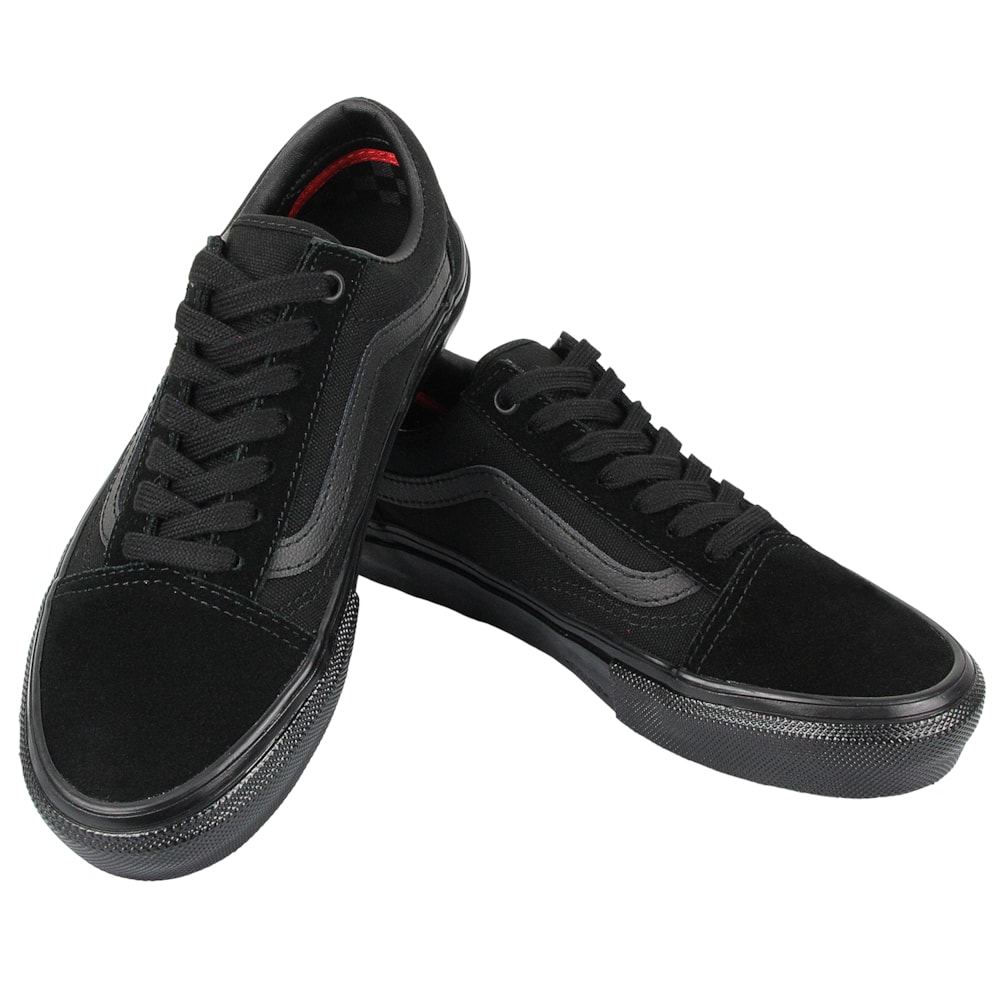
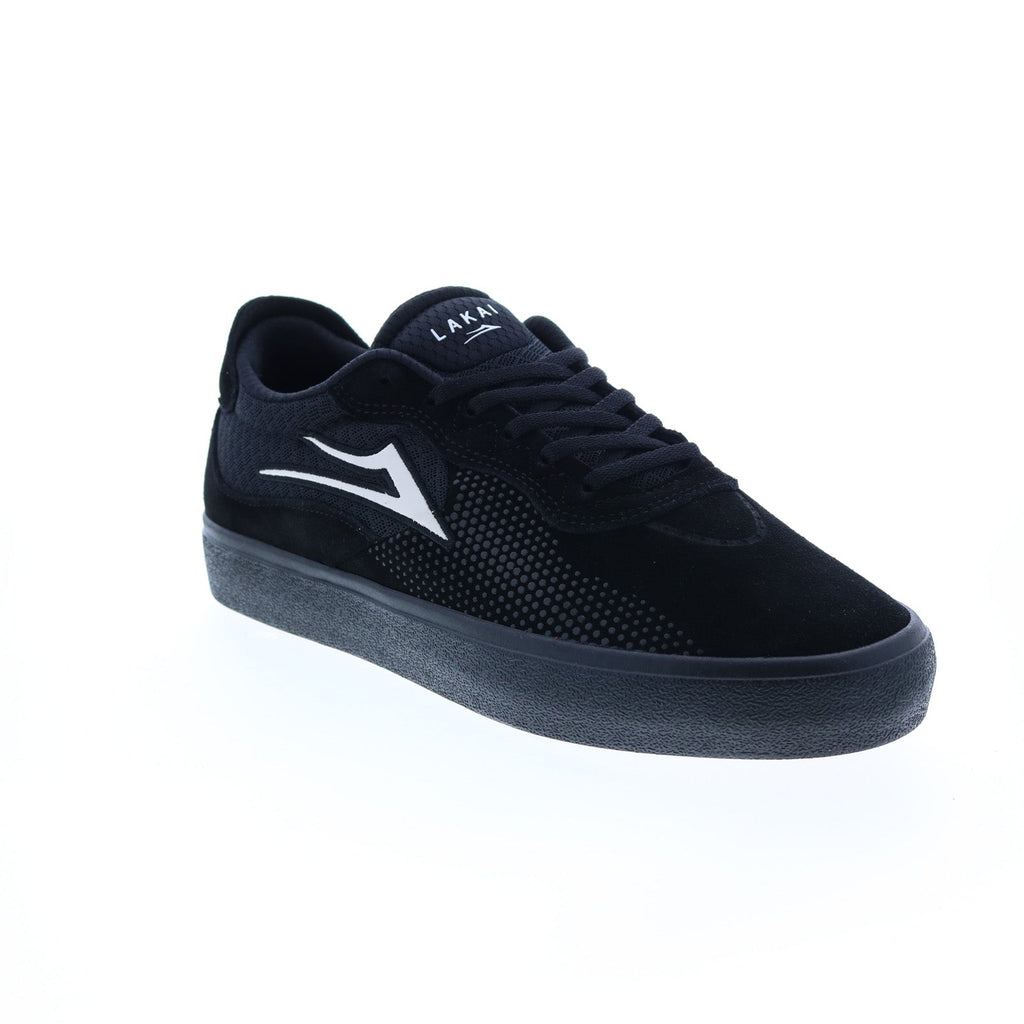


Skate shoes are a flat-pedal crossover
A broad flat outsole can contact platform pedals well, which is why skate shoes appear on casual mountain-bike rides. That overlap does not make them cycling footwear. Skate soles are designed around grip tape, board feedback, and lateral catches; flat-pedal MTB shoes account for metal pins, trail debris, repeated compression, and off-bike traction. Use skate shoes only with flat pedals, never as a substitute for a clipless interface. The crossover is most reasonable for short, dry, lower-consequence rides where the rider understands the limits and already owns a secure pair.
Pedal pins interact differently from grip tape
Grip tape creates broad abrasive friction, while pedal pins concentrate force at small points and can bite into rubber. A waffle or flat skate tread may hold securely on one pedal and move on another depending on pin height, spacing, compound, and mud. Test at low speed in a controlled area before entering technical terrain. The foot should release intentionally rather than feeling trapped or skating across the platform. Inspect the sole after riding for puncture marks, torn lugs, or concentrated wear. A board-grip reputation cannot predict wet roots, dust, or metal-pin behavior.
Sole stiffness controls fatigue and feedback
Very flexible vulcanized shoes let the rider sense pedal position but can wrap around pins and concentrate pressure beneath the forefoot during long rough descents. A structured cupsole spreads load more evenly and may reduce fatigue, though it can make precise repositioning feel less immediate. Compare a balanced cupsole with the skate shoe already owned. Stand on the pedal through the ball of the foot and notice hot spots before increasing distance. Efficient pedaling and protection may justify a purpose-built MTB sole once rides become frequent, fast, or prolonged.
Toe and side protection become trail concerns
Grip-tape reinforcement does not necessarily cover rock strikes. Mountain biking can expose the toe, outer foot, and ankle to stones, roots, crank contact, and debris. A suede panel may resist abrasion yet lack a shaped bumper or side protection. Inspect the exact shoe for coverage and secure lacing, keeping loops away from chainrings and cranks. High collars can add coverage but do not certify impact protection. Riders on rocky technical trails should favor an MTB shoe designed for those hazards rather than asking a skate silhouette to perform an unverified safety role.
As an Amazon Associate, we may earn from qualifying purchases.
View the mid-guide match on AmazonWeather reveals material weaknesses
Canvas absorbs water readily and dries slowly when padded. Suede can handle ordinary use but needs gentle cleaning and room-temperature drying; forced heat can harden material or weaken adhesive. Smooth leather and some synthetics may wipe clean more easily without becoming waterproof. Wet tread, mud, and dust alter pedal grip regardless of upper. Carry dry socks, remove loose dirt, and let the pair air naturally after a ride. Frequent rain or stream crossings justify a cycling shoe with drainage, weather treatment, and outsole behavior designed for trail conditions.
Walking traction matters away from the bike
A skate outsole favors broad board contact and may be shallow on loose soil, wet rock, or steep hike-a-bike sections. Purpose-built flat-pedal shoes often balance pedal engagement with deeper heel and toe traction. Consider how often rides include pushing, carrying, or emergency walking. Test the skate shoe on safe dirt before trusting it on exposure. A pair that grips metal pins well can still slide once the rider steps off. The correct footwear must cover the entire route, not only the minutes when both feet remain centered on the pedals.
Know when the crossover should end
Skate shoes remain plausible for neighborhood trails, pump tracks, and casual dry rides on flat pedals. Move to dedicated MTB shoes for frequent technical riding, long descents, aggressive pins, wet conditions, rock strikes, or significant hike-a-bike travel. Keep one skate option and one cycling option visible, comparing grip, stiffness, toe coverage, weather behavior, and walking traction. Do not buy the wrong size because a favorite skate model is available. At Amazon, verify exact outsole, upper, size, seller, and return terms before treating any pair as the chosen crossover.
Inspect both shoe and pedal after every early crossover ride. Bent or missing pins, sliced rubber, concentrated dents, loose sole edges, and new hot spots all show that the combination is behaving differently from board use. Check lace ends and tread for debris before the next outing. If secure contact depends on unusually aggressive pins that rapidly damage the sole, the pairing is not economical or predictable. Retire the experiment before a worn skate outsole becomes the weak link on faster or more exposed terrain. A controlled neighborhood test cannot authorize the same setup for wet roots, rock gardens, or long descents; each step up in consequence deserves purpose-built footwear. Trail consequence, not familiarity, sets the boundary.
People also ask
Questions that extend this decision
Best Skate Shoes for Mountain Biking: Picks by Fit and Session: Can I ride mountain-bike flat pedals in skate shoes?
Yes for some casual rides, but pedal grip, stiffness, trail protection, weather handling, and walking traction may be weaker than purpose-built MTB shoes.
Best Skate Shoes for Mountain Biking: Picks by Fit and Session: Are vulcanized skate shoes good on pedal pins?
They provide sensitivity, but extreme flexibility can create pressure and fatigue. Pin layout and rubber interaction must be tested carefully.
Best Skate Shoes for Mountain Biking: Picks by Fit and Session: How should wet suede skate shoes be dried after riding?
Brush off loose dirt, absorb moisture, and air-dry at room temperature. Avoid dryers, radiators, and other forced heat.
Best Skate Shoes for Mountain Biking: Picks by Fit and Session: When should I stop using skate shoes for MTB?
Choose cycling footwear when rides become technical, wet, long, rocky, or dependent on reliable off-bike traction and toe protection.
Final verdict
Choose the tradeoff you understand.
The best skate shoes for mountain biking are the pairs that meet this exact need without giving up secure fit, predictable grip or the protection your sessions require. Fit comes first, the repeated session demand comes second, and the exact current product identity comes third. Use Amazon to verify sizes and options without relying on stale price or stock claims.
As an Amazon Associate, we may earn from qualifying purchases.
Check current options on Amazon