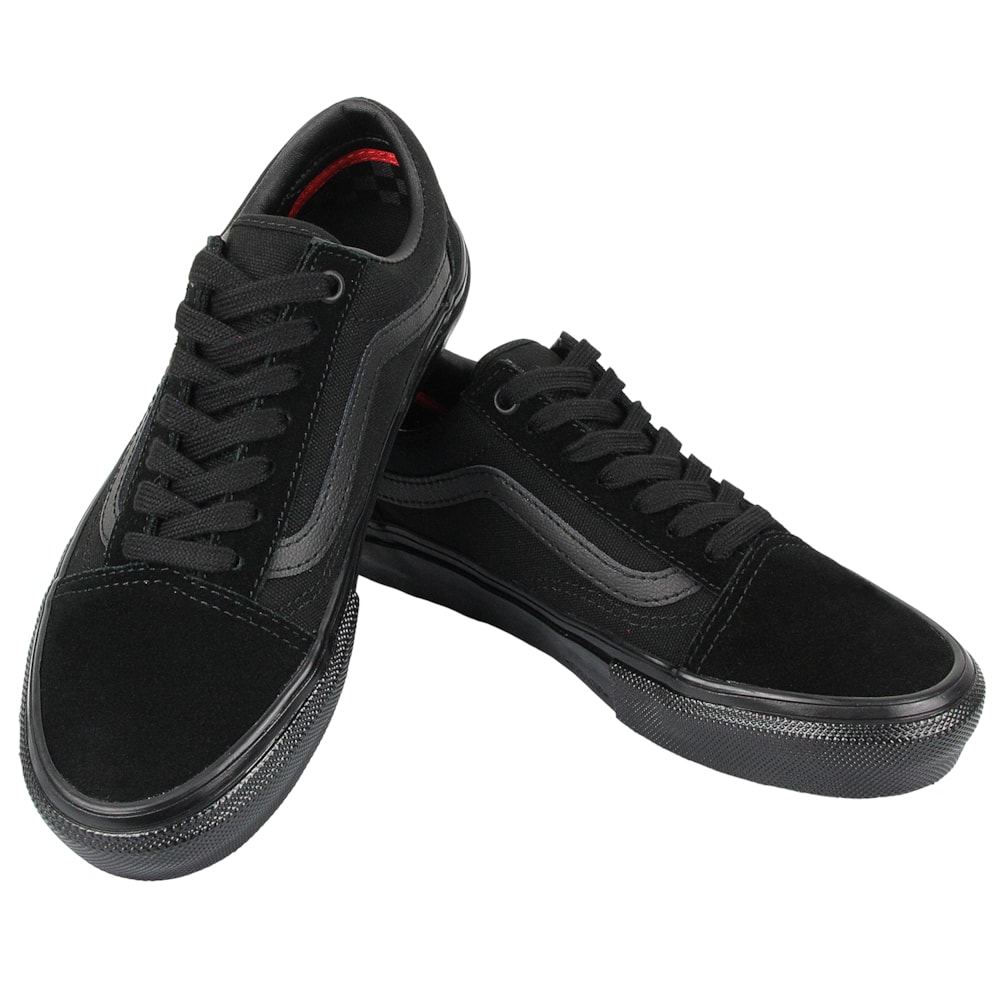


Skate work shoes can mean two very different products
Some shoppers want skate shoes comfortable enough for retail, food service, delivery, warehouse or creative work. Others need a work shoe with a skate-inspired look plus certified protective features. Those searches must not be merged casually. A normal skate shoe should never be assumed to have a safety toe, puncture protection, electrical-hazard rating or occupational slip-resistance certification. Start with the employer's written requirements and the exact product documentation. Style and board feel come after mandatory protection, not before it.
For non-hazard work, fit and all-day stability lead
A standard skate shoe can work for jobs without special footwear rules when it fits securely, supports the hours spent standing and grips the actual floor appropriately. A soft first impression is not enough. Walk indoors long enough to notice heel movement, forefoot pressure and whether the sole feels stable when turning. Cushioned cupsoles often make a better starting lane for long concrete shifts than the thinnest vulcanized shoes, although some people prefer flexible low profiles. Persistent pain is a reason to reassess fit or seek qualified care, not to keep adding loose insoles.
Slip resistance must be explicit, not inferred from skate grip
Skate outsoles grip abrasive tape and dry pavement, but that does not prove performance on wet tile, oil or commercial kitchen surfaces. If a workplace requires slip-resistant footwear, look for the exact manufacturer's claim or relevant testing tied to that product. Do not treat waffle tread, gum rubber or a sticky hand feel as certification. Amazon titles can contain broad terms, so read the detailed product information and employer policy. A skate-inspired work model designed for occupational floors is a different category from a performance skate shoe.
Safety toes and hazard ratings are non-negotiable requirements
Construction, industrial and some warehouse jobs may require protective toes or other standards. An ordinary DC, Vans, Nike SB or Etnies skate shoe is not a substitute unless the exact product is documented to meet the required standard. A thick toe panel or bulky silhouette is not evidence of protection. Use the safety label, model documentation and employer guidance, and confirm that the selected child listing is the certified version. SkateShoes.app can help discover a product path but cannot certify workplace compliance or guarantee suitability for a specific job.
As an Amazon Associate, we may earn from qualifying purchases.
View the mid-guide match on AmazonCupsoles usually make the practical standing shortlist
For jobs that permit ordinary sneakers, structured skate cupsoles from brands such as Etnies, New Balance Numeric, DC, éS or Globe can offer a stable platform and more underfoot separation than a minimal canvas vulcanized shoe. The most padded model is not automatically the best; extra weight and heat matter during a long shift. Compare heel seating, forefoot flex and whether the shoe remains comfortable after walking, not just standing on carpet. If the pair will also be skated, consider using a separate work pair so tread and cushioning remain consistent in each role.
Vulcanized workday options suit mobility-first jobs
A flexible Vans Skate, Lakai, Emerica, Converse CONS or similar low can suit jobs that involve frequent bending, driving or lighter movement on dry floors. Thin construction may become tiring on hard concrete for some wearers, and a canvas upper may not tolerate spills or abrasion well. Suede can be tougher but requires material-appropriate cleaning. Workplace permission still matters. A skate version may add useful reinforcement for daily wear, yet it does not become an occupational shoe unless the exact listing says so and satisfies the job's requirements.
Insoles can help only when the shoe still fits
A removable-insole model gives the buyer more ability to adjust cushioning, but a thicker replacement changes internal volume and heel height. Do not stack loose inserts or force an orthotic into a shoe that becomes cramped. The heel should remain inside its intended pocket, toes should lie flat and the tongue should lace without pressure. Workers using prescribed orthoses should follow professional guidance. A skate shoe with the wrong internal depth is not improved by an expensive insert; choose a model that accommodates the required insole from the start.
Separate work wear from board wear when possible
Eight hours of walking can smooth tread and compress cushioning even when the upper stays clean. Grip tape can then damage the same pair needed for the next shift. Two pairs allow each role to remain predictable and let damp shoes dry. If one pair must do both, inspect outsole wear, heel stability and upper damage often. Never bring a contaminated work shoe onto a board or assume a patched skate upper still meets workplace appearance or safety rules. Rotation is less glamorous than a do-everything shoe, but usually more practical.
Final work-shoe buying decision
First, write down the employer's required features. If certification, safety toe or verified slip resistance is required, shop only exact work models that document it; a performance skate shoe is not enough. If ordinary sneakers are allowed, compare a stable cupsole for concrete-heavy shifts with a flexible skate low for mobility. Confirm the correct size, material, return terms and exact Amazon product. Do not display stale prices or rely on a product-family thumbnail. The best skate work shoe is the compliant pair that remains comfortable through the job, not the one that looks most technical.
People also ask
Questions that extend this decision
Best Skate Work Shoes: Picks by Fit and Session: Are skate shoes slip resistant for work?
Not automatically. Skate grip is not occupational slip-resistance certification. Use only an exact product whose manufacturer documentation meets the employer's requirement.
Best Skate Work Shoes: Picks by Fit and Session: Can I wear Nike SB or Vans to a warehouse job?
Only if the employer allows ordinary athletic shoes and the exact pair suits the floor and duties. Required safety toes or hazard ratings cannot be assumed.
Best Skate Work Shoes: Picks by Fit and Session: Are cupsole skate shoes better for standing all day?
They are a sensible structured starting point for many people, but fit, weight and individual comfort vary. Test the exact shoe and seek qualified care for persistent pain.
Best Skate Work Shoes: Picks by Fit and Session: Can a thick skate shoe replace a safety-toe work shoe?
No. Visual thickness is not certification. Follow the workplace standard and use a product explicitly documented to meet it.
Final verdict
Choose the tradeoff you understand.
The best skate work shoes are the pairs that meet this exact need without giving up secure fit, predictable grip or the protection your sessions require. Fit comes first, the repeated session demand comes second, and the exact current product identity comes third. Use Amazon to verify sizes and options without relying on stale price or stock claims.
As an Amazon Associate, we may earn from qualifying purchases.
Check current options on Amazon