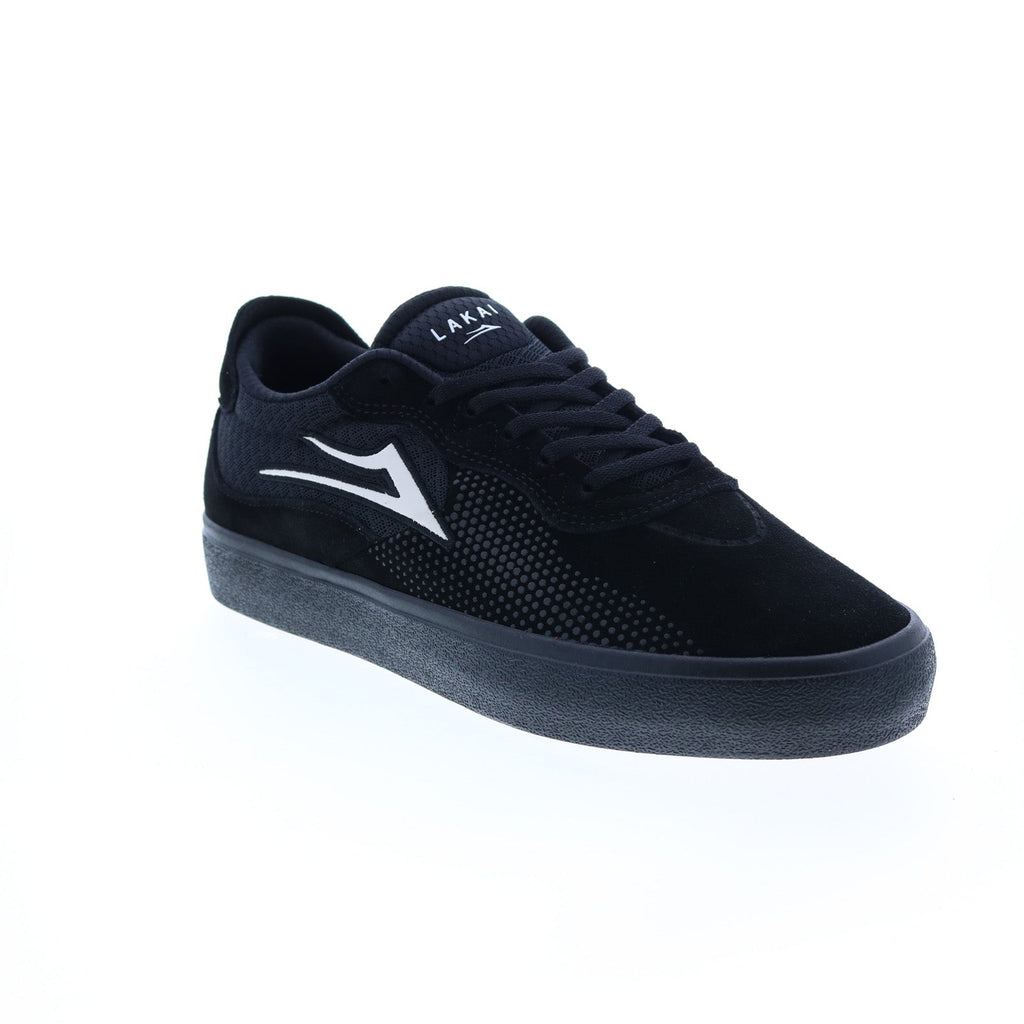
An ollie shoe succeeds at the outer forefoot
The lead shoe repeatedly drags the side of its toe and forefoot up abrasive grip tape. That motion concentrates wear in a small area while also demanding a predictable roll from sole to upper. A suitable shoe therefore needs more than general durability: the contact zone should have useful material, limited vulnerable stitching and a shape the rider can place consistently. Look at the damaged area on the current pair before shopping. If laces fail first, choose a better-protected path; if the sidewall opens, prioritize reinforcement where the actual foot meets the deck.
Suede is the dependable material baseline
A suede forefoot is a practical starting point for repeated ollies because abrasion tends to develop progressively and the surface offers a familiar flick. It is not indestructible, and thin suede interrupted by seams may disappear faster than a well-planned mixed upper. Canvas can work for cruising or occasional practice but often opens quickly under concentrated repetition. Smooth leather and synthetic materials vary in thickness, coating and feel, so inspect the selected colorway rather than assuming all versions of a model behave alike. Material choice should match both frequency and the rider's exact wear line.
Toe shape affects the timing of the slide
A rounded toe offers a broad, forgiving contact area, while a more tapered shape can feel precise to a rider whose flick naturally reaches the forward edge. Neither geometry teaches the trick by itself. The important match is between foot length, shoe flex and the moment the upper meets grip tape. Excess empty space ahead of the toes makes timing vague; compressed toes make the stance tense and reduce natural movement. Try the shoe indoors and roll the front foot onto its outer edge. The bend should occur near the foot's forefoot rather than far ahead or through the arch.
Vulcanized and cupsole options serve different learners
A flexible vulcanized-style shoe communicates deck angle quickly and can help a learner feel how the front foot is sliding. The tradeoff is less isolation from repeated impact and, depending on construction, potentially faster sidewall wear. A cupsole provides a more structured platform and can make repeated landings feel less harsh, but a stiff model may initially obscure fine feedback. Beginners do not universally need one or the other. Choose the amount of board connection that allows controlled practice without leaving the feet unusually sore after ordinary attempts.
Heel hold makes repetition more exact
The ollie begins from a loaded stance and ends with both feet finding the deck. If the heel lifts inside the shoe or the forefoot slides sideways, the rider is adjusting to the shoe on every attempt. Secure does not mean painfully tight. Toes should lie flat, the midfoot should feel evenly held and the heel should stay quiet during a forward roll. Thin low shoes and padded cupsoles can both work when the shape matches. Reject a size chosen only to avoid lace pressure or to obtain a desired color.
Laces need a plan, not endless replacement
Ollies can pull grip tape directly across exposed laces. Recessed eyelets, protective overlays, alternate lacing routes or a model with the lower rows moved away from the contact path can reduce the problem. Tucking loose ends helps only with dangling lace, not abrasion across the tied section. Inspect the lace before it breaks and replace it while the shoe can still hold evenly. Applying repair material across the upper's contact area should follow product instructions and remain clear of moving parts and the sole's grip surface.
Practice surface and deck setup change shoe wear
Fresh grip tape removes more material than a worn surface, and repeating hundreds of stationary attempts can focus damage more tightly than varied rolling practice. Deck width and grip coverage alter where the shoe meets the board. This does not mean dulling grip tape or sacrificing board control to save footwear. It means comparisons are useful only when conditions are similar. If a new deck and new shoes arrive together, inspect the upper frequently during the first sessions. Early reinforcement is more effective than filling a large hole after the lining is exposed.
A practical ollie shortlist covers three lanes
Compare one suede vulcanized model for immediate feel, one balanced cupsole for structure and one reinforced option addressing the exact historical failure zone. Verify material on the chosen variation, then test length, flex and heel hold indoors. The best option is the shoe that makes the front-foot slide repeatable while surviving the rider's practice volume. No footwear substitutes for gradual progression and sound technique. When landing discomfort, numbness or persistent pain appears, stop the session and address the body or fit instead of asking the shoe to conceal it.
People also ask
Questions that extend this decision
Best Skate Shoes for Ollies: Is suede necessary for learning ollies?
No, but it is a strong baseline for frequent practice because it handles concentrated abrasion more predictably than many canvas uppers. Exact thickness, seams and reinforcement still matter.
Best Skate Shoes for Ollies: Do thin skate shoes make ollies higher?
They can make deck feedback easier to sense, but they do not create height. Timing, pop, foot path and body movement determine the ollie; footwear mainly affects connection and comfort.
Best Skate Shoes for Ollies: Why do my laces break during ollies?
The front foot may drag grip tape directly across the lower lace rows. Look for recessed eyelets, a protected path or a different panel arrangement rather than repeatedly using the same exposed setup.
Best Skate Shoes for Ollies: Should an ollie shoe squeeze the toes?
No. It should hold the heel and midfoot securely while allowing toes to rest naturally. Painful compression can disrupt movement and should not be treated as required break-in.
Final verdict
Choose the tradeoff you understand.
A durable suede ollie zone, consistent toe shape and secure heel hold matter more than extreme cushioning for repeated ollies. Fit comes first, the repeated session demand comes second, and the exact current product identity comes third. Use Amazon to verify sizes and options without relying on stale price or stock claims.
As an Amazon Associate, we may earn from qualifying purchases.
Check current options on Amazon