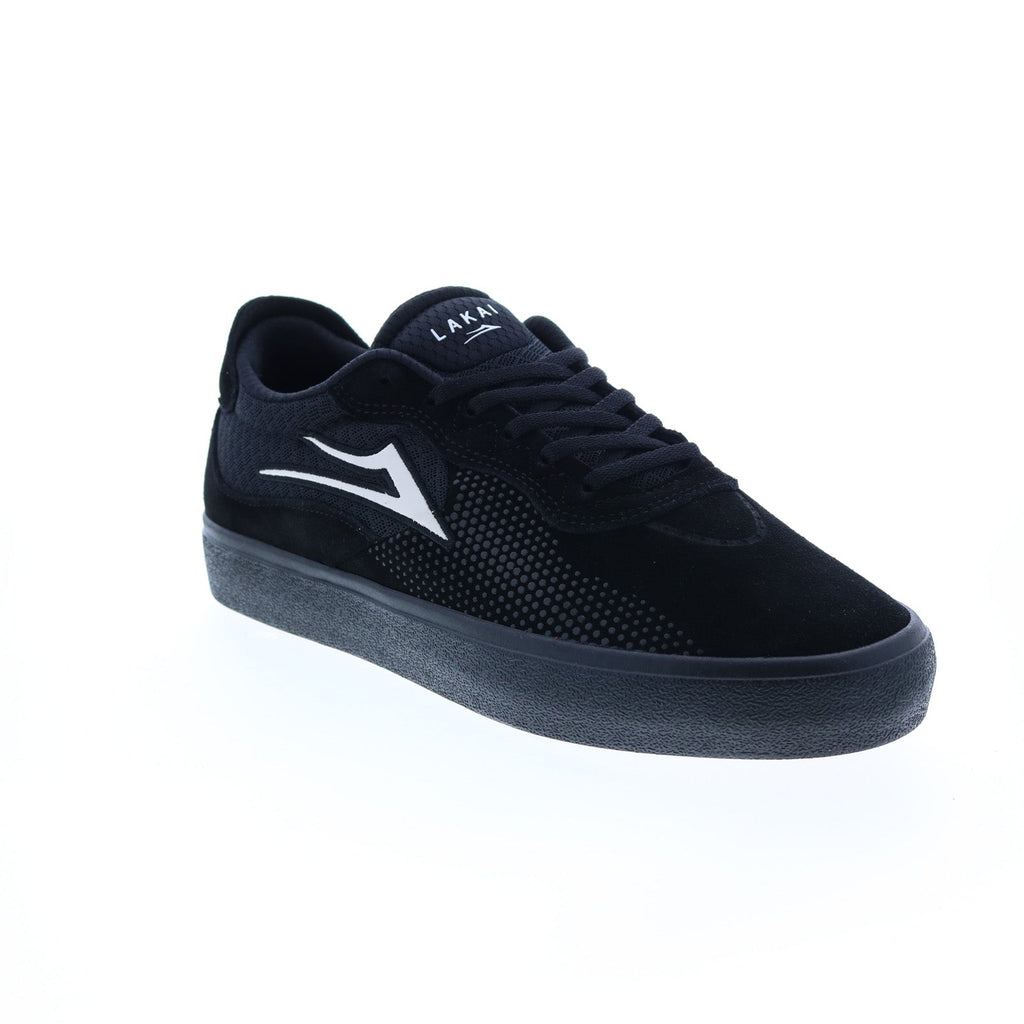
The best kickflip shoe makes the toe predictable
Kickflips reward a shoe that lets the skater find the same flick point repeatedly. A clean toe profile, secure heel and upper that does not fold unpredictably matter more than a fashionable logo. Thin vulcanized models often provide immediate feedback, while structured cupsoles can protect repeated catches. The right balance depends on terrain and how forcefully the rider flicks.
No shoe creates the trick by itself. Technique, board setup and repetition remain decisive. Footwear helps by keeping contact consistent and surviving the grip-tape abrasion concentrated around the front-side toe and ollie area. A shoe that slides on the foot or has a badly placed seam can make otherwise sound practice feel inconsistent.
Look for a durable, uncomplicated flick surface
Suede is a strong default because it combines controlled flex with abrasion resistance. One-piece or reduced-seam toe construction can limit weak edges where grip tape catches. Rubber reinforcement may extend life, although a large rubber zone changes the feel of the flick. Canvas gives quick flex and light weight but can disappear rapidly under repeated abrasion unless it is backed or reinforced.
Inspect the exact variation rather than assuming every colorway uses the same upper. Product families may mix suede, leather, canvas and synthetic panels. The useful question is what material sits in the rider's flick zone, how many seams cross it, and whether the layer underneath continues protecting the foot after the surface begins to wear.
Choose sole thickness by feedback and landing demand
A low-profile vulcanized sole places the foot close to the board and usually breaks in quickly. That can make the edge easier to locate during technical flatground practice. The compromise is more transmitted shock and often less structure. Skaters who catch kickflips down stairs or over gaps may prefer a cupsole or hybrid even if it feels less immediate at first.
Do not select the thinnest shoe automatically. A rider who becomes hesitant because landings hurt will not benefit from maximum sensitivity. Conversely, a thick technical shoe can feel vague to someone working on precise flatground at low impact. Choose for the hardest repeated session, not for a single clip imagined in the future.
Fit must keep the shoe and foot moving together
Heel lift delays feedback because the foot moves before the shoe follows. Excess length places the toe of the shoe beyond the rider's actual toe and can change where the flick meets the board. Too little width creates pressure that distracts from practice. A kickflip shoe should hold the midfoot and heel while leaving the toes flat and able to apply controlled pressure.
Lace the pair firmly but do not use extreme tension to hide a poor shape. Low-profile models may suit narrower or average feet, while padded heritage shoes can offer more interior volume; neither is universal. Test the flex point indoors and compare model-specific fit notes. A replacement insole can improve cushioning but may reduce space over the instep.
Shortlist by the kind of kickflip session
For technical flatground, start with a flexible suede low top with a consistent toe and limited bulk. For stairs and gaps, add heel cushioning and a stable platform. For a new skater, choose a balanced shoe that gives enough board feedback to learn without punishing every imperfect catch. For wide feet, shape outranks all other performance claims.
Representative paths include Skate Classics and similar vulcanized models for direct feel, low-profile team shoes from Lakai or Emerica for controlled flick, and supportive options such as the Etnies Marana family for greater impact separation. These are decision lanes, not automatic endorsements; verify the exact Amazon model, upper and size before choosing.
Protect laces without changing the entire shoe
Kickflip practice can cut exposed laces quickly. Hidden loops, recessed eyelets and shorter exposed runs help. Lacing methods that keep long loops away from the abrasion side can extend life, but overtightening changes fit and creates pressure. Carrying replacement laces is inexpensive insurance, especially when the upper remains healthy after the original lace breaks.
A thin preventive adhesive layer may help a known flick zone if the product is used according to its label and allowed to cure completely. Avoid coating broad areas before learning where the shoe actually wears. Added material changes surface friction and flex, so preservation should target the abrasion map rather than turning the toe into a rigid shell.
Judge durability by the first component likely to fail
A durable upper is not enough if the outsole smooths quickly, and a long-lasting sole does not save a toe with exposed lining. Check upper reinforcement, tread depth, foxing, seam placement and lace protection together. The best value is the shoe whose components wear at a similar pace under the rider's technique, not the model with one impressive feature.
Inspect the pair after sessions. Patch thinning areas before a full hole, let damp shoes dry naturally and rotate pairs when possible. Replace shoes that have unstable soles or exhausted cushioning even if an upper repair still looks tidy. Consistent flick depends on a predictable platform, and a badly broken-down shoe changes that platform.
Final picks should reflect a clear tradeoff
Choose a vulcanized suede model when immediate board feel and quick break-in lead the decision. Choose a cupsole or hybrid when repeated impact and landing stability matter more. Choose a roomier padded model when foot shape demands it, even if a slimmer silhouette receives more attention online. The winner is the pair that supports repetition without creating a new fit problem.
Use exact Amazon cards to compare available models and variations. Confirm that the listing is the skate-specific version discussed, since lifestyle versions can share familiar names. Keep the final selection to three lanes—feel, protection and fit—then choose the lane matching the actual session. That structure produces a more useful click than a long list of interchangeable shoes.
People also ask
Questions that extend this decision
Best Skate Shoes for Kickflips: Are vulcanized shoes better for kickflips?
They often provide quicker flex and clearer board feel, which many technical skaters value. Cupsoles remain useful when kickflips involve harder drops or repeated impact.
Best Skate Shoes for Kickflips: Is suede better than canvas for kickflip practice?
Suede usually lasts longer in the flick zone. Canvas can feel light and flexible but needs reinforcement if grip tape repeatedly contacts the same area.
Best Skate Shoes for Kickflips: Why do kickflips tear shoe laces?
The flick can drag exposed lace runs across grip tape. Recessed eyelets, protected loops and careful lacing reduce exposure but cannot eliminate wear.
Best Skate Shoes for Kickflips: Should a kickflip shoe fit tightly?
It should hold the heel and midfoot without crushing the toes. Excess movement reduces precision, while painful pressure distracts from technique.
Final verdict
Choose the tradeoff you understand.
Choose a consistent toe profile and durable flick area; thinner soles improve feedback while cupsoles soften repeated catches. Fit comes first, the repeated session demand comes second, and the exact current product identity comes third. Use Amazon to verify sizes and options without relying on stale price or stock claims.
As an Amazon Associate, we may earn from qualifying purchases.
Check current options on Amazon