A heel bruise is a stop signal before it is a shopping query
Heel pain after a hard landing can come from more than one cause, and a shoe guide cannot diagnose it. Stop the impact that triggered the pain and do not use a new pair to test whether you can skate through it. Swelling, difficulty bearing weight, numbness, persistent pain or a worsening condition deserves evaluation by a qualified clinician. Once you have recovered enough to return, footwear can reduce avoidable impact and improve stability, but it cannot guarantee that another awkward landing will be harmless. Recovery and technique remain separate from product choice.
Board setup and landing surface also affect what reaches the heel. Hard ground, repeated attempts and returning while fatigued can overwhelm a shoe that feels adequate during an easy session. Footwear should be one part of a lower-consequence return plan that includes rest between attempts and honest limits. If pain changes the way you land or makes you protect one side, stop; compensating can create a second problem elsewhere.
Prioritize a stable heel platform
The most useful post-recovery shoe usually combines cushioning with a base that does not feel vague under the heel. A thick, soft insert can feel comfortable while standing yet compress sharply on impact or allow the foot to move. Look for a heel that sits securely within the shoe, a sole that spreads pressure rather than concentrating it, and an insole that lies flat without lifting the foot out of the collar. Stability is especially important when landing off-center, because cushioning cannot help much if the heel slides toward the edge of the platform.
Cupsoles are a sensible starting lane
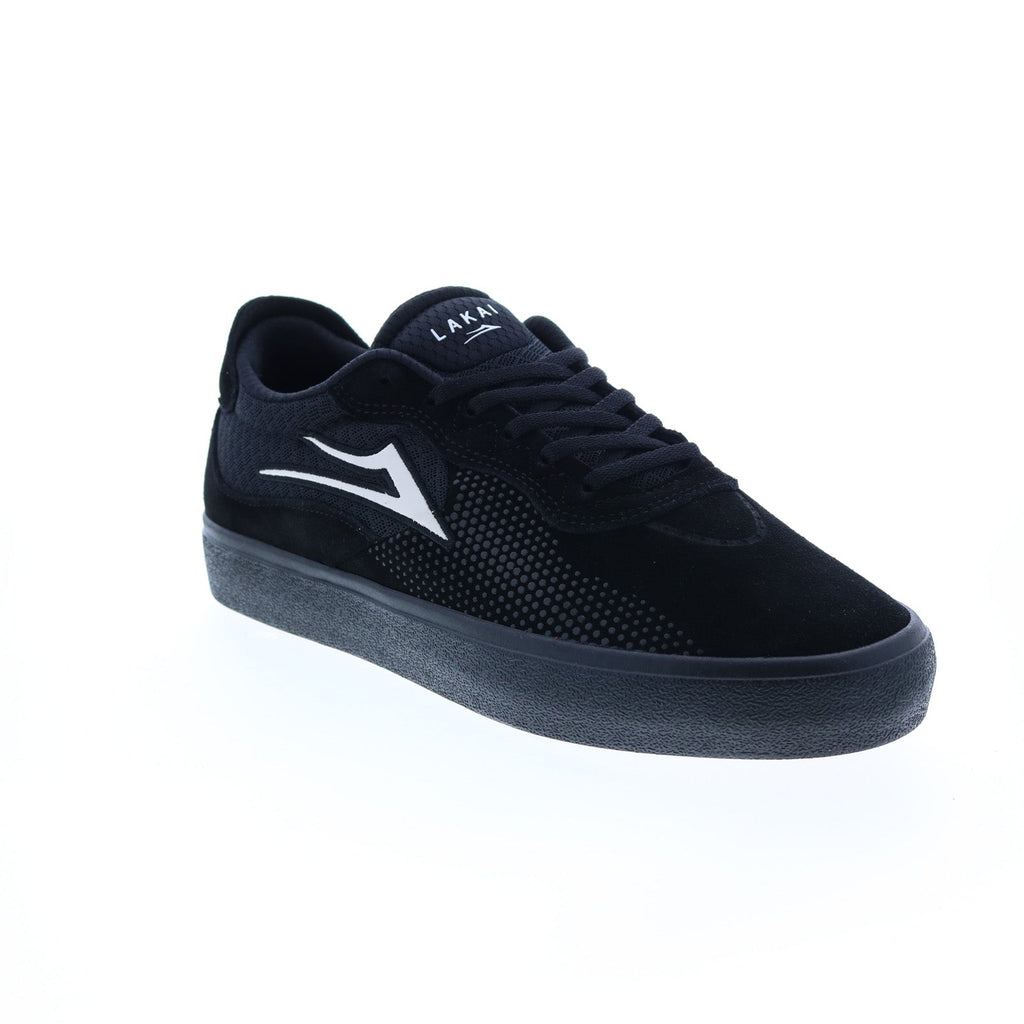
Cupsole skate shoes generally provide more underfoot structure than the thinnest vulcanized designs, making them a logical first comparison after impact-related discomfort. That does not mean every cupsole is highly cushioned or every vulcanized shoe is unprotected. Modern hybrids and removable insoles create overlap. Use the construction label to narrow the field, then verify heel thickness, flex, fit and the exact current variation. The right pair should feel planted and predictable, not like a tall pillow that separates you from the board.
Heel hold prevents extra movement on landing
A collar that fits your ankle shape and lacing that secures the midfoot can keep the heel centered over the cushioning. If the heel lifts while walking, it is likely to move more during a quick setup or imperfect landing. High-top styling does not automatically create better hold; internal shape and lace placement matter more than collar height alone. Try the shoe with your skate socks, walk on an incline if possible and check for both lift and pressure. A secure fit should not require overtightening that causes numbness or pain.
Do not ignore forefoot feel and board control
Choosing only for heel cushioning can produce a shoe that feels clumsy during setup, causing changes in timing or foot placement. Look for a model that protects the rearfoot while still flexing where your foot needs to control the board. Some skaters prefer a structured heel with a lower forefoot, while others adapt comfortably to an even cupsole platform. Return gradually on familiar, low-consequence terrain and notice whether the new sole changes flick or landing accuracy. Protection works best when it supports, rather than disrupts, repeatable movement.
Insoles can fine-tune fit but also create new problems
A compatible replacement insole may add heel cushioning, but it changes internal volume. A thicker insert can lift the heel above the intended collar pocket, crowd the toes or make the tongue difficult to lace securely. Never stack loose insoles unless the shoe and insert are explicitly designed for it. Remove the original only when it is removable and compare shape, width and heel seating. If an insert rocks, curls or creates pressure, it is not an upgrade. Medical orthoses and ongoing heel symptoms should be discussed with the professional managing your care.
Return with lower consequences and a backup plan
Break in the shoe through normal walking and short, easy sessions before returning to drops or gaps. Start with flatground, basic pushes and familiar transition, then increase demand only if the heel remains comfortable afterward. Carry a second broken-in pair during the transition so you are not forced to continue in a model that creates pressure. Inspect the cushioning and outsole as sessions accumulate; compressed foam and uneven heel wear can change the protection that felt adequate when new. A gradual return gives both the body and shoe time to reveal problems.
Shop the exact construction, not a promise of injury prevention
Product names and marketing phrases cannot tell you whether a shoe is appropriate for your recovery. Compare exact listings for a stable cupsole, secure heel shape, removable-insole compatibility and enough space for your foot. Avoid pages that imply a specific model treats heel bruises or makes hard landings safe. No skate shoe prevents every injury. The goal is to remove obvious footwear problems—bottomed-out cushioning, heel slip, unstable fit—while you make sound decisions about recovery, terrain, trick selection and professional care.
People also ask
Questions that extend this decision
Choosing Skate Shoes After Heel Bruises: Can better skate shoes heal a bruised heel?
No. Shoes may improve cushioning and stability after recovery, but they do not diagnose or heal an injury. Stop painful activity and seek qualified care for persistent, severe or worsening symptoms.
Choosing Skate Shoes After Heel Bruises: Are cupsole skate shoes always best after heel pain?
They are a useful starting category because they often provide more structure, but individual fit and construction vary. Some hybrids may work, and a poorly fitting cupsole is still a poor choice.
Choosing Skate Shoes After Heel Bruises: Should I add a second insole for more cushioning?
Usually not. Stacking can crowd the foot, raise the heel out of its pocket and create instability. Use one compatible insole and make sure the shoe still fits securely.
Choosing Skate Shoes After Heel Bruises: When can I skate again after a heel bruise?
A product guide cannot set that timeline. Return depends on the injury and your symptoms. Follow qualified medical guidance and resume gradually only when normal movement is comfortable.
Final verdict
Choose the tradeoff you understand.
Prioritize heel cushioning and a stable cupsole, but treat ongoing pain as a reason to stop and seek medical guidance—not a shoe-shopping problem. Fit comes first, the repeated session demand comes second, and the exact current product identity comes third. Use Amazon to verify sizes and options without relying on stale price or stock claims.
As an Amazon Associate, we may earn from qualifying purchases.
Check current options on Amazon