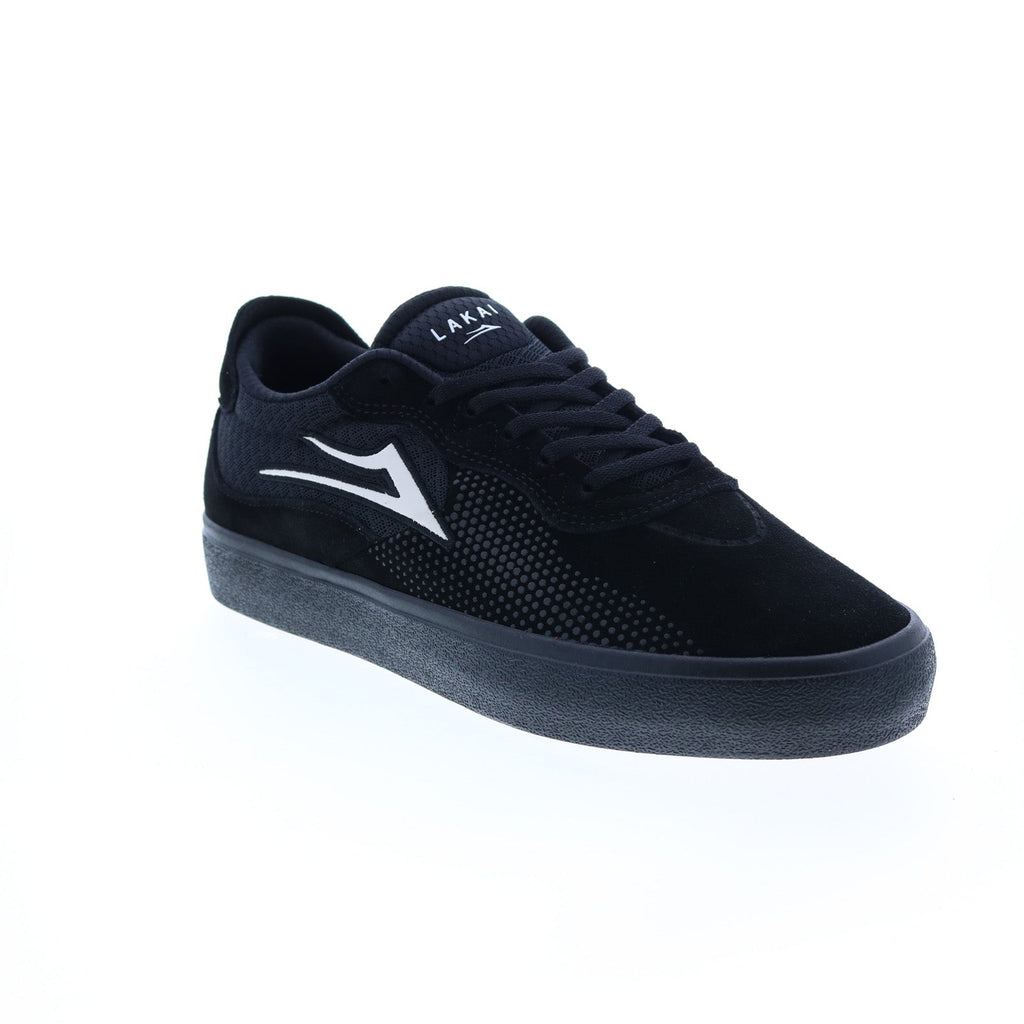
Board feel starts with a foot that cannot slide
Board feel is the information a skater receives about deck edge, concave, and pressure through the sole. A thin shoe cannot communicate precisely when the heel floats or the forefoot moves inside it. Try candidates with normal skating socks, then check heel hold during a slow ollie motion, natural toe position, and whether the sole bends beneath the ball of the foot. Excess length delays input, while missing width creates pressure that changes stance. Accurate fit must therefore come before outsole minimalism.
Vulcanized shoes are the natural first lane
Traditional vulcanized construction wraps foxing around a low, flexible sole, so it generally follows the deck with little break-in. Vans Skate Authentic, Skate Era, Converse CONS One Star Pro, and Nike SB Janoski-style models are useful reference points for direct feedback. The exchange is impact isolation: less material can transmit hard landings more sharply. Technical flatground, manuals, and ledges often reward immediacy; repeated stairs, gaps, or rough transition may justify a thicker heel or carefully shaped cupsole.
Forefoot geometry matters more than the label
Two vulcanized shoes can feel unrelated when one has a stiff sidewall, broad toe, and substantial footbed while another tapers closely and flexes immediately. Press the empty shoe at the forefoot, then rise onto the ball of the foot indoors. The bend should align with the rider instead of folding ahead of the toes. Cupsoles such as selected New Balance Numeric 440 or 480 versions can still preserve useful front-foot movement while adding structure behind it, making them strong controls in a board-feel comparison.
Toe shape sets the timing of flick
A repeatable toe edge helps a rider learn where an ollie or flip trick begins to release. Slim profiles can feel quick, while rounder shapes create a broader contact patch and may accommodate more forefoot volume. Neither shape is inherently more technical. Material changes the experience too: canvas softens readily but may tear quickly, suede usually supplies a steadier abrasion surface, and synthetic overlays can add resistance while extending break-in. The right toe keeps the foot straight without dead space or compression.
Useful traction must release predictably
Maximum stickiness is not the goal because a skater still needs to reposition the front foot and recover from an imperfect setup. Waffle and herringbone patterns also change as dust fills them, so consistency on the rider's normal ground matters more than an aggressive tread photograph. Read the old pair: polished rubber with an intact upper points toward outsole behavior, while a torn sidewall with usable tread calls for better upper reinforcement. Sensitivity only helps while the shoe remains structurally dependable.
Insoles tune the balance but cannot remake it
A thicker insole may soften heel impact, yet it occupies volume and raises the foot. An extremely thin replacement can increase sensation while reducing protection and loosening heel hold. Any swap must lie flat, match the internal shape, and leave the instep and toes comfortable. Retain enough cushioning for the hardest landing repeated in a normal session. Board feel is a form of control, not a contest to place the least possible rubber and foam between the body and concrete.
Compare three deliberately different shoes
A useful shortlist contains a minimal vulcanized model, a cushioned vulcanized option, and a low-profile cupsole. This contrast reveals whether the rider truly wants more feedback or merely needs a better-fitting version of the current construction. On Amazon, open the full model destination and confirm the skate-specific name, size, selected material, color variation, seller, and return terms. Product families sometimes mix casual and performance editions, so a familiar logo or nearly identical silhouette is not enough.
Choose feedback that lasts the whole session
The best result lets a rider place the feet accurately at the beginning and still feel controlled when fatigue arrives. Select flexible vulcanized construction when technical movement dominates and impact stays modest. Move toward a supportive, low cupsole when hard landings repeatedly interrupt confidence. After several sessions, record the first flex point, traction changes on dusty ground, and the earliest wear zone. Those observations guide the next replacement better than brand loyalty. Stop using any pair with separation, unstable traction, or a collapsed platform.
A final indoor comparison can be simple: close the eyes while standing safely near support, shift pressure from heel to toe, and notice whether the deck-like surface feels easy to locate through each candidate. This is not a stunt or a substitute for skating; it is a fit-and-flex check. The winner should communicate changes without creating sharp pressure. Once outdoors, introduce the shoe on familiar low-risk terrain before deciding how it behaves during faster or higher-consequence tricks.
People also ask
Questions that extend this decision
Best Skate Shoes for Board Feel: Do vulcanized shoes always provide the most board feel?
They are usually the easiest starting point because a low flexible sole follows the deck quickly. A well-shaped cupsole can still provide precise forefoot feedback while giving the heel additional structure, so actual geometry and fit should decide.
Best Skate Shoes for Board Feel: Should a beginner buy the thinnest skate shoe?
Not automatically. Beginners need predictable grip, secure fit, and enough comfort for imperfect landings. A balanced shoe can communicate the deck clearly without making every error feel harsh.
Best Skate Shoes for Board Feel: Will removing the factory insole improve sensitivity?
It may make the platform feel thinner, but it can also create internal space and remove needed cushioning. Use only a compatible replacement and recheck heel hold, toe position, and instep pressure indoors.
Best Skate Shoes for Board Feel: Can high-tops have good board feel?
Yes. Collar height and sole feedback are separate design choices. A high-top with a flexible low sole may feel more direct than a low shoe built on a stiff cupsole.
Final verdict
Choose the tradeoff you understand.
Start with a low-profile vulcanized shoe, then add only as much cushioning as your landings require. Fit comes first, the repeated session demand comes second, and the exact current product identity comes third. Use Amazon to verify sizes and options without relying on stale price or stock claims.
As an Amazon Associate, we may earn from qualifying purchases.
Check current options on Amazon