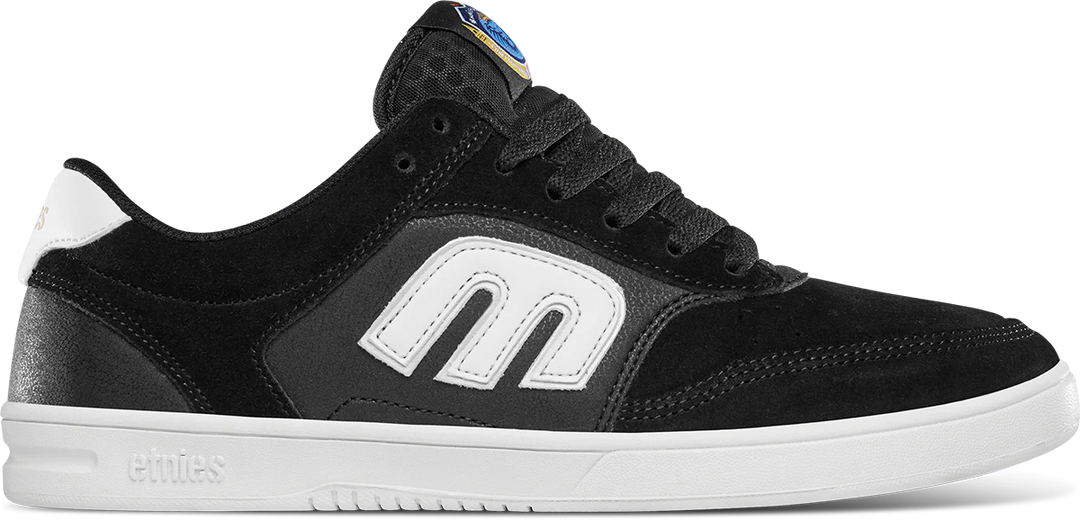
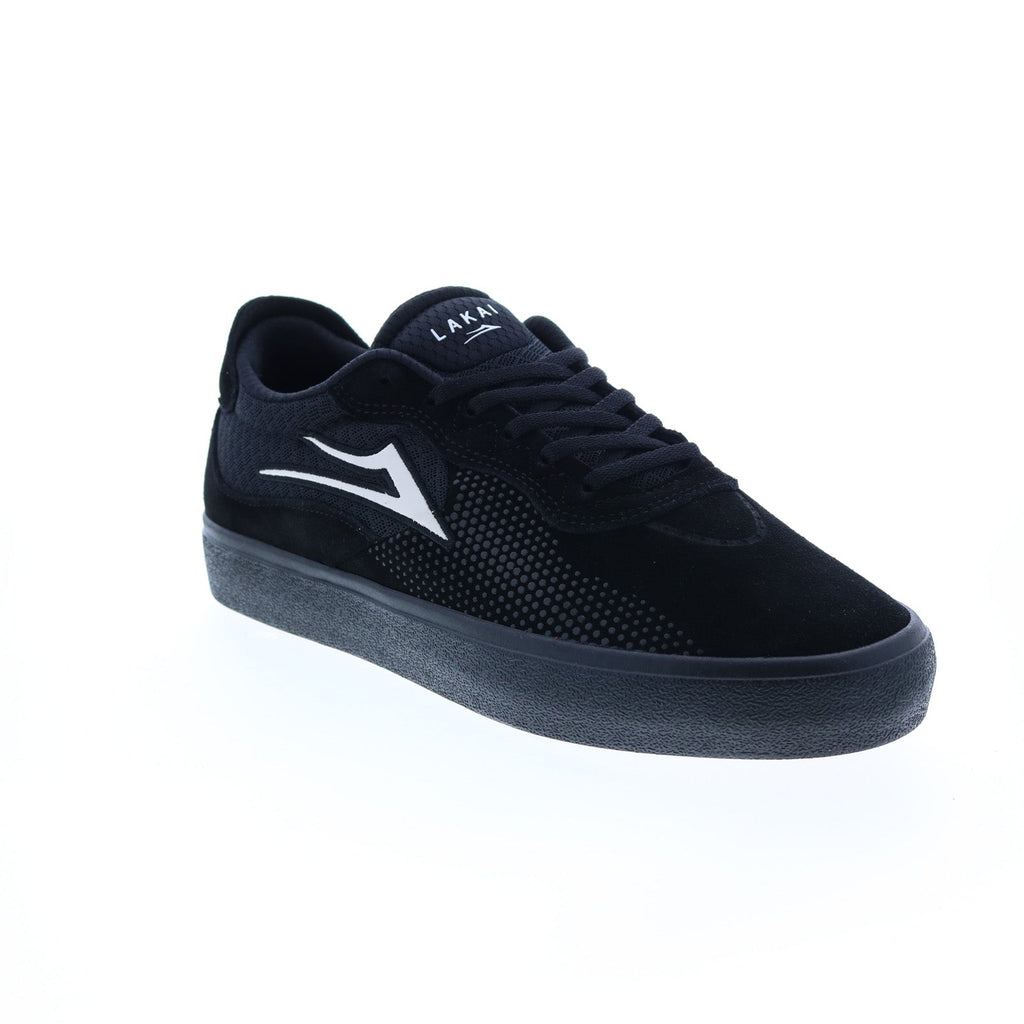

Suede gives the most balanced starting point
Suede earns its reputation by combining controlled flex, a textured flick surface, and better grip-tape tolerance than ordinary unreinforced canvas. It is not equally durable in every shoe. Thickness, backing, panel size, and seam placement determine whether the material covers the actual contact path. A broad one-piece suede forefoot usually offers a cleaner wear surface than several small panels whose edges meet the board. Brush dirt gently and dry wet suede away from direct heat. Choose it as the all-around benchmark, then reject any exact variation whose layout leaves the rider's vulnerable zone exposed.
Canvas favors airflow and early softness
Canvas bends easily and can feel comfortable immediately, making it attractive for cruising, warm conditions, and skaters who dislike upper bulk. Grip tape can cut plain fabric quickly, especially along repeated ollies and flip tricks. Reinforced canvas, hidden backing, or a rubber overlay can change that outcome, so the textile name alone is not enough. Inspect where canvas sits relative to the board-contact path and check whether a suede or synthetic layer protects the toe. A canvas heel with an exposed fabric forefoot provides breathability without addressing the area that actually determines lifespan.
Leather adds structure and a smoother surface
Smooth leather can hold shape, wipe clean, and wear gradually, but it often begins firmer than suede and gives a different interaction with grip tape. Perforation, lining, finish, and panel thickness influence heat and break-in. Leather can crease without being unsafe; separating layers or cracked structural areas deserve closer inspection. Shoppers seeking a white or work-inspired shoe may encounter leather frequently, yet color and material do not prove skate reinforcement. Confirm that seams, sole, and lace paths are suited to board use. The best leather option earns its added structure without creating pressure or delaying flex excessively.
Vegan and synthetic are sourcing categories, not one feel
Microfiber, coated textiles, knit, rubberized panels, and plant-based blends can all appear under vegan or synthetic descriptions. They differ in stretch, breathability, abrasion response, and repair behavior. Look for an explicit material statement tied to the exact product rather than inferring composition from a smooth photograph. Vegan shoppers should also remember that adhesives and linings may require separate confirmation. Performance must be judged through panel placement, backing, seams, and outsole construction. A well-reinforced synthetic can outlast weak suede, while a thin fashion textile can fail far sooner than its technical appearance suggests.
Rubber and outsole design are half the durability story
An upper can remain intact after tread has gone smooth. Examine rubber compound claims cautiously and focus on observable geometry: contact area, pattern depth, sidewall coverage, and the way the sole bends at the forefoot. Vulcanized foxing can protect the upper and provide direct flex; a cupsole can distribute force and retain structure. Neither category guarantees lifespan. Foot braking, rough concrete, moisture, and session frequency change wear. Retire a shoe when traction becomes inconsistent or bonding opens, even when the suede still looks serviceable. Material selection must include what touches both board and ground.
Strategic reinforcement can beat raw thickness
A hidden layer beneath the flick zone, raised rubber at the toe, recessed stitching, and protected eyelets put protection where it matters without making the entire shoe heavy. Thick material in the wrong place adds heat and break-in while leaving the first failure untouched. Use an old pair to map the groove, torn seam, cut lace, and smooth tread. Then select construction that overlaps those marks. Early thin repair can slow a shallow scrape, but a hard mound may alter flick. The objective is controlled wear and predictable function, not a shoe that merely looks armored on a product page.
Choose material by the way the old shoe ended
If grip tape opened the forefoot, begin with reinforced suede or leather. If the foot overheated while the upper survived, compare mixed panels or protected canvas. If tread disappeared first, prioritize outsole contact and rubber rather than adding upper thickness. If cushioning collapsed, move toward a more stable platform. Keep fit constant during the comparison because a cramped upper can fail at stretched seams and an oversized shoe can crease incorrectly. The best material is therefore conditional: it is the one placed correctly on a well-fitting shoe whose sole and protection match the rider's repeated sessions.
Colorway photographs can reveal a material change that the family name hides. Zoom in on the toe, ollie area, collar, and tongue, then read the selected variation rather than a description attached to a different child listing. A suede version and a canvas version may share a silhouette while producing different heat, break-in, and abrasion behavior. If the listing cannot establish what covers the rider's main contact zone, leave that variation out. Material advice is only useful when it reaches the exact pair being purchased.
People also ask
Questions that extend this decision
What Is the Best Material for Skate Shoes: Is suede the longest-lasting material for every skater?
No. It is the best general baseline, but backing, seams, flick path, outsole wear, and fit can make another construction last longer.
What Is the Best Material for Skate Shoes: Can reinforced canvas work for serious skating?
Yes when protection covers the contact zone. Plain exposed canvas usually wears faster than comparable suede under repeated grip-tape abrasion.
What Is the Best Material for Skate Shoes: Does vegan describe how a skate shoe performs?
No. It describes sourcing. Exact synthetic textiles, overlays, linings, seams, and outsole design determine feel and durability.
What Is the Best Material for Skate Shoes: Should I choose the thickest upper available?
Not automatically. Strategic reinforcement over the actual wear path can protect better while preserving flex, weight, and heat management.
Final verdict
Choose the tradeoff you understand.
Suede is the best all-around upper for many skaters because it balances flick and abrasion resistance, while canvas favors breathability and leather favors structure. Fit comes first, the repeated session demand comes second, and the exact current product identity comes third. Use Amazon to verify sizes and options without relying on stale price or stock claims.
As an Amazon Associate, we may earn from qualifying purchases.
Check current options on Amazon