
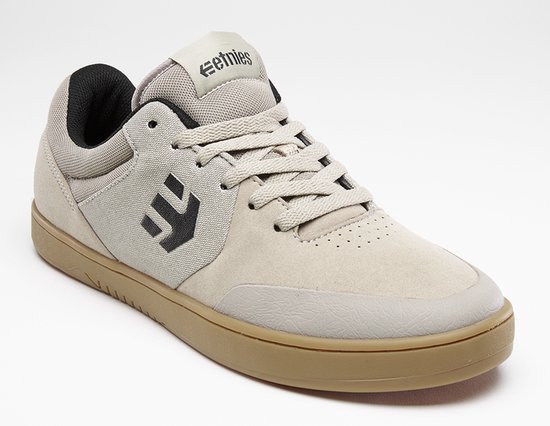
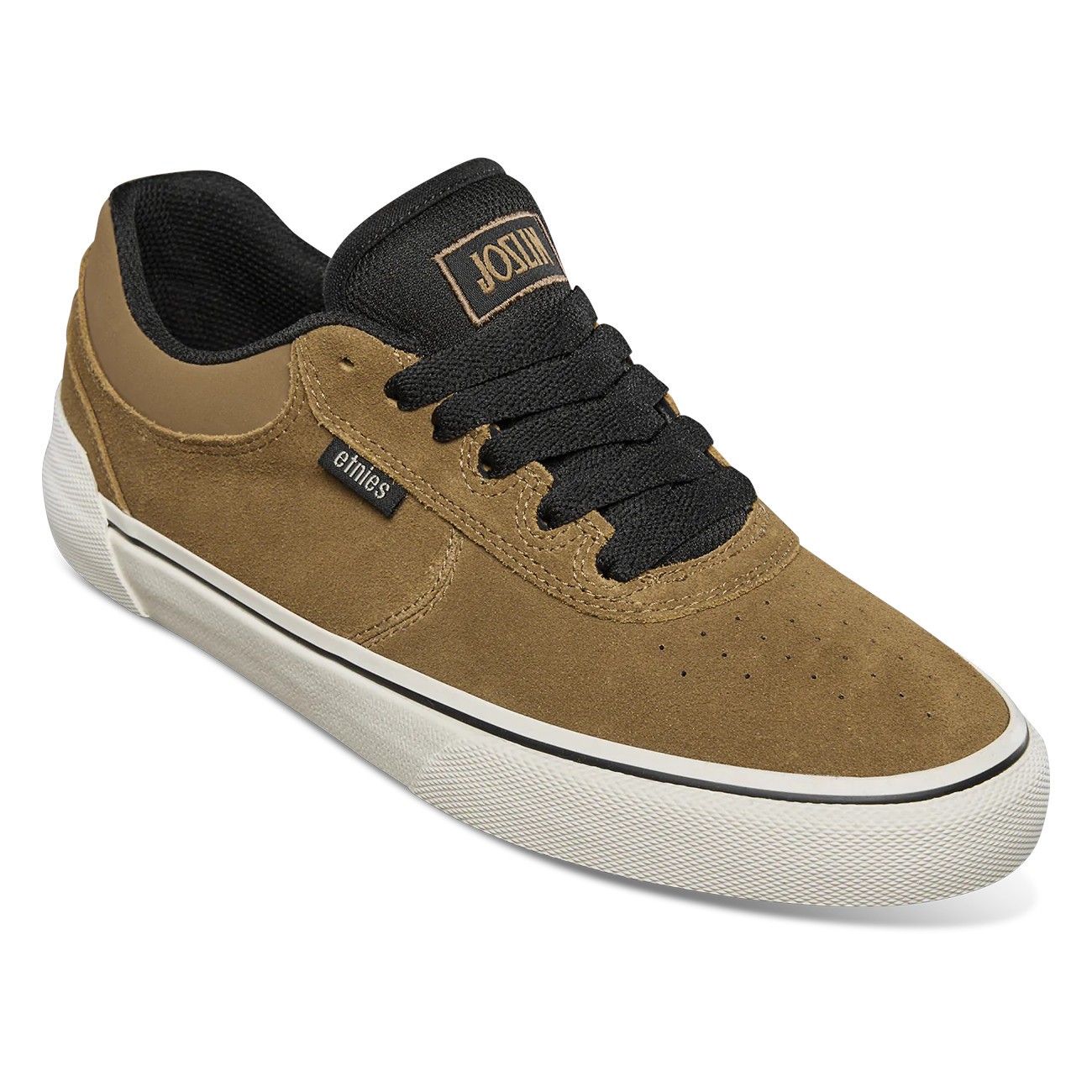


The Joslin name covers two different starting points
A useful Joslin review must first distinguish the structured Joslin from the Joslin Vulc. The family name and Chris Joslin association do not make the sole constructions interchangeable. The more substantial version belongs in a durability and impact conversation, while the Vulc option favors earlier flex and closer board feedback. Check the complete Amazon title, outsole photographs, upper, and selected variation before applying any conclusion. If the listing does not establish which version is being sold, step back to the model hub rather than borrowing features from the other shoe. Version identity is the foundation for every fit and performance judgment that follows.
Structured Joslin is the protection-first direction
The cupsole-oriented Joslin makes sense for skaters who repeat gaps, stairs, and hard landings and want a platform that holds its shape. Additional structure can spread force and give the foot a more planted base, but it also places more material between rider and deck. Expect a more deliberate break-in than from a thin vulcanized shoe. The benefit is worthwhile only if heel hold and toe position are correct; a rigid shape that fights the foot cannot be rescued by its impact credentials. Flatground-focused riders may decide that the same platform feels heavier than their normal sessions require.
Joslin Vulc trades isolation for communication
Joslin Vulc should be judged as the flexible branch of the family. A vulcanized platform normally bends sooner and lets the rider sense board angle with less delay, which can help technical practice and ledge work. The corresponding cost is greater exposure to repeated landing force and potentially less long-term structure. Modern insoles and rubber design can soften that compromise, yet they do not turn the Vulc into the cupsole model. Skaters should choose it because they actively want quicker flex, not because the familiar signature name implies identical durability and protection across both versions.
Upper layout decides where durability is felt
Joslin shoes are considered by riders who care about abrasion, but lifespan cannot be promised from the model name. Inspect how suede, rubber, backing, seams, and lace paths overlap the personal flick zone. A reinforced toe can survive while an exposed quarter panel or lace fails first. Exact colorways may alter visible materials, so use the chosen child variation as evidence. After the first sessions, look for polishing, raised stitching, and a groove beside the forefoot. Early local repair can slow a known scrape; thick repair material should not change the toe shape or catch against grip tape.
As an Amazon Associate, we may earn from qualifying purchases.
View the mid-guide match on AmazonFit must support aggressive skating
Test the Joslin with the socks and insole intended for hard sessions. Tap the heel back, lace to ordinary tension, crouch, and shift side to side. The heel should remain centered without crushing the instep, while toes should lie naturally rather than curling or pressing the end. Do not add length merely to escape forefoot pressure, because heel movement and a misplaced flex point reduce control. Structured materials may soften, but numbness, sharp pressure, and persistent lift are not productive break-in. If one Joslin version fails, the other may still use a different internal volume and deserves a separate try-on.
Joslin and Marana overlap without being duplicates
Marana is the obvious Etnies control because both names enter durability and impact discussions. Compare exact versions at the same size, then isolate toe shape, heel hold, forefoot flex, upper reinforcement, and the amount of sole underfoot. Marana should not win through reputation, and Joslin should not win through signature association. One may fit a particular foot or flick path more cleanly. The valuable conclusion is the reason for the choice: better shape, preferred flex timing, or protection matched to repeated terrain. If those reasons remain vague, include a lower-profile Etnies model to clarify what extra structure is actually contributing.
Who should choose each Joslin route
Choose the structured Joslin when secure fit, upper survival, and repeated-impact support outweigh a desire for immediate flex. Choose Joslin Vulc when direct feedback and a quicker connection to the board matter more than maximum isolation. Riders who run hot, dislike substantial platforms, or skate mostly low-impact flatground should compare leaner alternatives. Whichever route wins, confirm the exact model, material, size, seller, and return terms at Amazon before ordering. The final verdict is conditional: Joslin is compelling when the selected construction answers a real session demand, not simply because a hard-skating professional's name appears on the shoe.
A useful home test compares the selected Joslin with the rider's current shoe on the same indoor movements. Crouch deeply, roll through the forefoot, and shift weight across both edges without marking either pair. The structured model should justify its resistance with a more planted platform; the Vulc should justify its lighter feel with clean flex and secure heel hold. If the promised advantage is not apparent before skating, professional association is not a reason to keep the less suitable construction.
People also ask
Questions that extend this decision
Etnies Joslin Review: Board Feel, Impact, Fit and Durability: Are Etnies Joslin and Joslin Vulc the same construction?
No. They represent structured and vulcanized directions within the family. Confirm the complete model name and outsole before transferring any review conclusion.
Etnies Joslin Review: Board Feel, Impact, Fit and Durability: Which Joslin version is better for hard landings?
The structured version is the more logical impact comparison, provided its shape fits securely. Joslin Vulc prioritizes flex and feedback instead.
Etnies Joslin Review: Board Feel, Impact, Fit and Durability: How should Joslin fit before break-in?
The heel should remain seated, toes should stay natural, and normal lacing should not create numbness or sharp instep pressure. Material softening cannot correct a basic shape mismatch.
Etnies Joslin Review: Board Feel, Impact, Fit and Durability: Should I choose Joslin or Etnies Marana?
Try exact versions side by side and compare fit, flex timing, reinforcement, and protection. The better model is the one whose tradeoff matches your repeated terrain.
Final verdict
Choose the tradeoff you understand.
The Etnies Joslin is worth considering when its sole construction, shape and protection match your sessions; this review separates those real strengths from brand-name assumptions. Fit comes first, the repeated session demand comes second, and the exact current product identity comes third. Use Amazon to verify sizes and options without relying on stale price or stock claims.
As an Amazon Associate, we may earn from qualifying purchases.
Check current options on Amazon