


Emerica's clearest strength is a focused skate identity
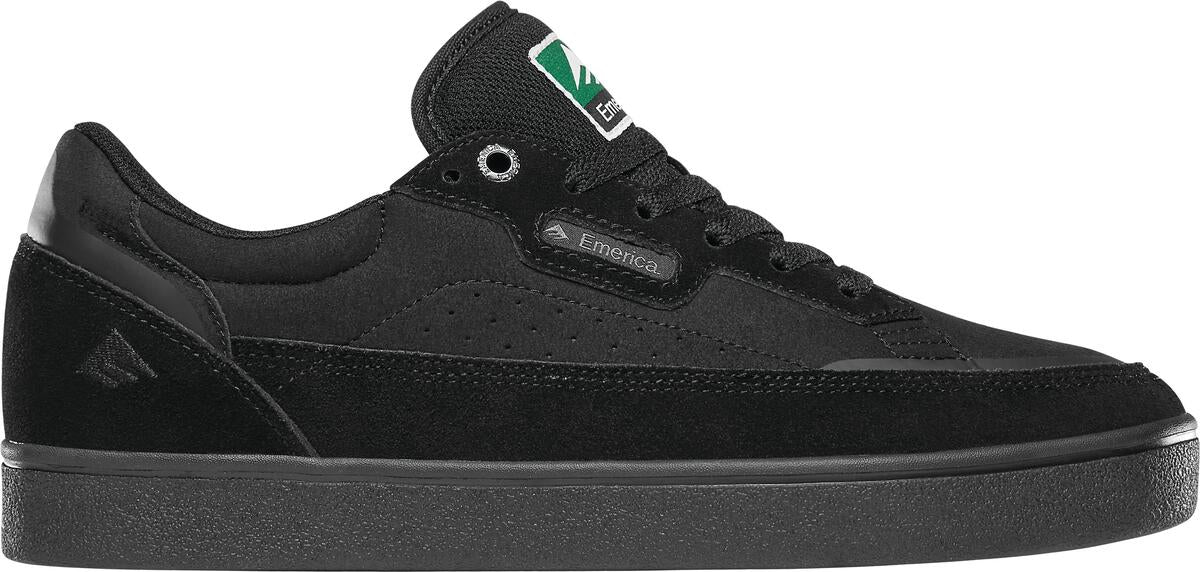
Emerica has spent decades making footwear around skateboarding rather than treating skating as one department inside a larger athletic catalog. That focus shows in a lineup built around familiar needs: low-profile vulcanized control, structured cupsole protection, reinforced suede uppers and signature models shaped with rider input. The brand's appeal is not one universal fit or technology; it is the ability to choose among distinctly skate-oriented constructions without leaving the same design language.
That identity also creates expectations. An Emerica model should be judged as equipment, not purchased only because of team history or a pro name. The Reynolds, Dickson, KSL and Wino families occupy different places on the board-feel and protection spectrum. A shopper who compares the exact sole, toe shape, padding and materials will get more value than someone who assumes every shoe carrying the Emerica mark feels alike.
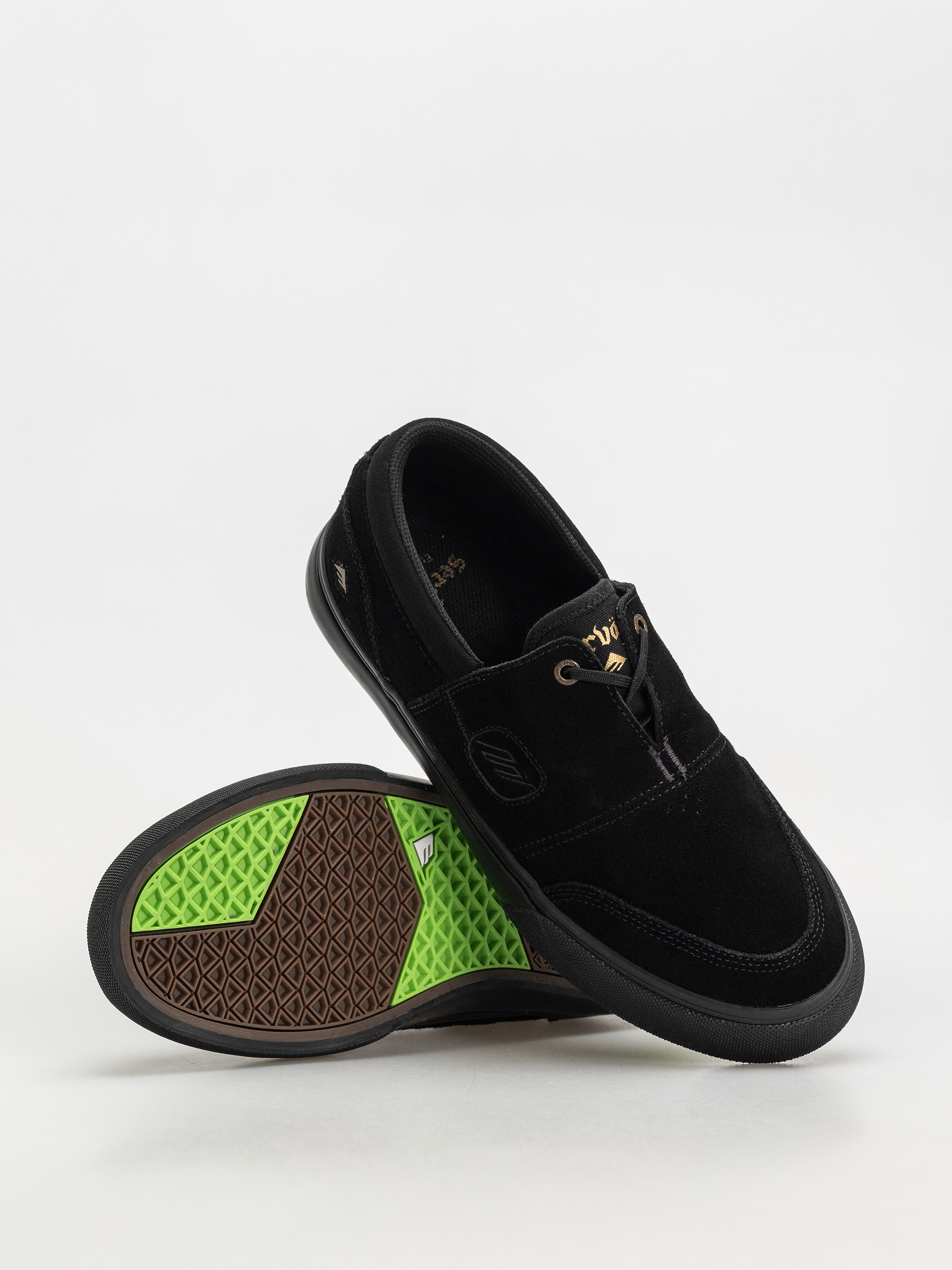
Vulcanized Emerica models favor direct control
Lower-profile Emerica shoes generally attract skaters who want quick flex and a clear sense of the deck. This lane works well for technical street skating, flatground and riders who dislike a bulky sole. A clean toe and flexible sidewall can make flick feel natural, while suede at the high-wear area offers a practical balance between abrasion resistance and break-in. The sacrifice is less material between the foot and hard ground.
Look beyond the word vulcanized. Insole depth, heel shape, rubber coverage and internal reinforcement can make two slim shoes behave differently. One may feel almost broken in from the first push, while another holds more structure around the heel. If landings regularly leave the heel tender, compare the complete cushioning setup or move toward Emerica's cupsole options instead of simply inserting the thickest aftermarket footbed.
Cupsole and G6 lanes add protection without the same feel
Emerica's more structured models answer riders who want impact management and support. The G6 name appears across several models, but it should not be treated as proof that every version has an identical package. Read the exact listing and model page. A cupsole usually starts firmer and can place the foot slightly farther from the board, yet the stable base may be worthwhile for stairs, gaps, fast transition and longer sessions.
The practical comparison is between the terrain you skate and the feedback you are willing to trade. A rider who catches tricks cleanly but feels beat up may welcome a deeper heel and firmer platform. A beginner learning basic flatground may prefer moderate protection rather than either extreme. Break-in should produce natural flex, not require enduring sharp pressure or numbness. Those are fit problems, not evidence of a serious performance shoe.
Fit varies with tongue volume and toe shape
Emerica's slimmer silhouettes and padded technical shoes can occupy very different internal volumes. A thick tongue fills the instep, while a lean tongue allows laces to pull the quarters closer. Toe taper matters for wide feet, and extra length is not always the correct solution because it can move the flex point and flick area forward. Use the official size chart as a start, then consult exact-model fit information.
Skate socks and replacement insoles should be part of the fitting process. A deeper insole can lift the heel into the collar and make a formerly secure shoe slip. Conversely, a very thin sock may reveal volume that padding initially concealed. Toes should lie flat, the heel should remain planted and the forefoot should not bulge over the sole edge. Fit will influence board control more than a small difference in advertised cushioning.
As an Amazon Associate, we may earn from qualifying purchases.
View the mid-guide match on AmazonDurability depends on the panel map, not just suede
Suede is a strong starting material for repeated flick, but stitch lines, overlays and lace exposure determine where an Emerica shoe begins to fail. A seamless or backed ollie area can outlast a decorative multi-panel toe even when both use similar material. Hidden or protected lace paths help riders who cut laces constantly. Rubber toe coverage improves abrasion resistance but can alter flick texture, which some skaters appreciate and others find less natural.
Inspect your old shoe before choosing a new one. A hole at the toe suggests a reinforced flick zone; a smooth outsole points toward rubber durability; a torn collar may indicate heel movement or an overly loose fit. Rotate pairs and patch small abrasions before they become openings. No shoe is grip-tape proof, and a model that lasts for one skater may wear quickly under a different trick pattern.
Which Emerica model lane fits which rider
Skaters seeking a classic padded signature feel should compare Reynolds-family and KSL-family options available in the current catalog. Riders who want a slimmer, flexible shoe can examine Wino G6 and other low-profile constructions. Dickson-family models deserve attention from shoppers balancing a simple upper with performance features. Exact versions change, so the model suffix and construction are more useful than the family name alone.
The best Emerica choice for casual wear may not be the best pair to skate. A thin vulcanized shoe can look clean and feel flexible around town yet become tiring on concrete. A padded cupsole can be comfortable for long standing but feel warm and substantial. Decide whether the pair's first job is skating, mixed use or everyday wear, then compare only models that solve that job.
The final verdict on Emerica
Emerica remains a useful brand for shoppers who value a dedicated skate lineage and want multiple constructions within it. Its best qualities are model-specific: direct board feel in lean vulcanized shoes, greater impact protection in structured models, and uppers designed around common grip-tape wear. The tradeoff is that broad brand reviews can hide meaningful differences in width, padding and sole height.
Use the Emerica catalog as a map rather than a ranking. Start with foot shape and normal session, decide how much board feedback you need, and inspect the exact materials and sole on the listing. A verified current model with the right fit is a better purchase than a famous signature name in the wrong construction. Check exact sizes and colorways on Amazon only after identifying the precise model.
People also ask
Questions that extend this decision
Emerica Skate Shoes Review: Strengths, Tradeoffs and Best Models: Are Emerica skate shoes good for board feel?
Many low-profile vulcanized Emerica models emphasize flex and deck feedback. Cupsole and padded models trade some immediacy for structure, so the exact construction matters.
Emerica Skate Shoes Review: Strengths, Tradeoffs and Best Models: Do Emerica skate shoes run true to size?
Sizing and volume vary by model, tongue thickness and toe shape. Begin with the current official chart, then use exact-model fit notes and your larger foot measurement.
Emerica Skate Shoes Review: Strengths, Tradeoffs and Best Models: Which Emerica shoes are best for impact?
Start with current structured cupsole or G6-equipped models, then confirm the exact cushioning details. Do not assume every product using a family name has the same setup.
Emerica Skate Shoes Review: Strengths, Tradeoffs and Best Models: Are Emerica shoes suitable for casual wear?
Yes. Slim models offer flexible everyday style, while padded cupsoles can feel more supportive. Walking comfort still depends on fit, cushioning and how long you stay on hard surfaces.
Final verdict
Choose the tradeoff you understand.
Emerica earns a place in the catalog only where its skate construction and current model identity are clear; the right choice still depends on fit and sole type. Fit comes first, the repeated session demand comes second, and the exact current product identity comes third. Use Amazon to verify sizes and options without relying on stale price or stock claims.
As an Amazon Associate, we may earn from qualifying purchases.
Check current options on Amazon