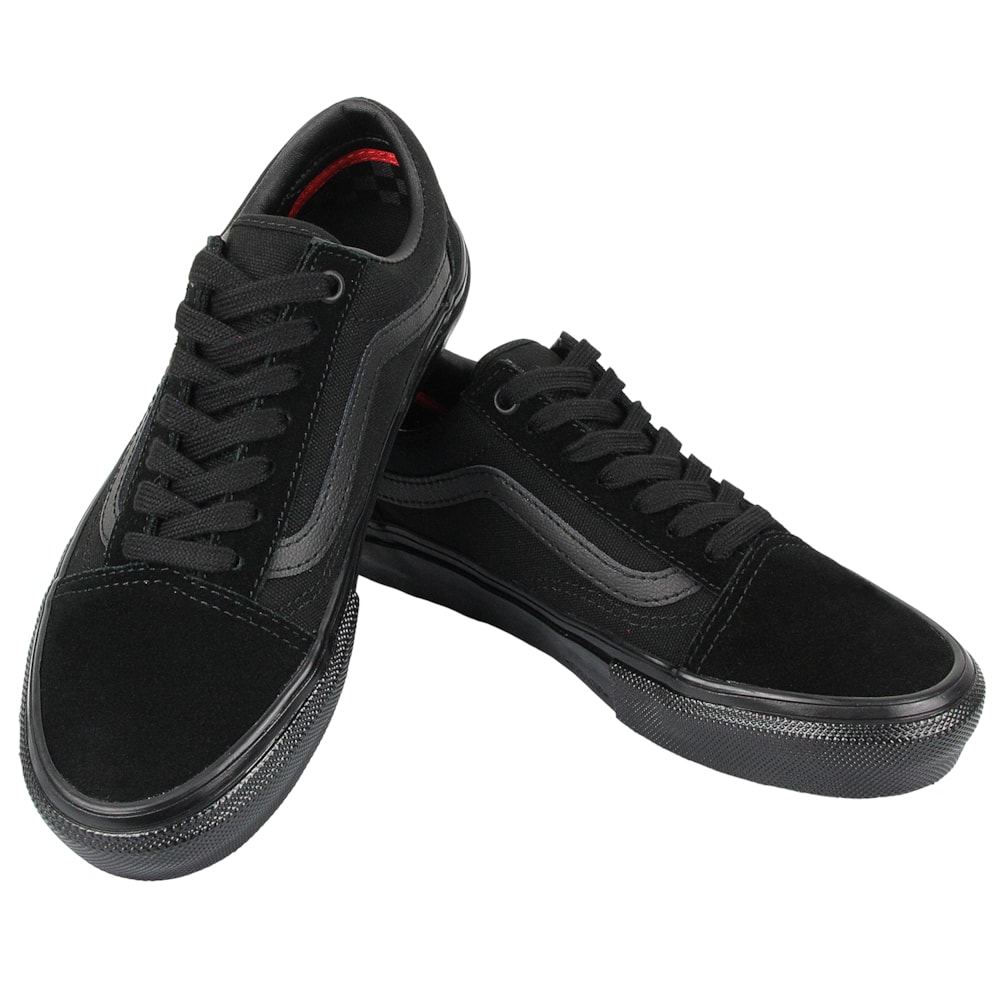


Element built a complete skate identity before footwear became the focus
Element developed as a skateboard brand with boards, team riders, apparel and a visual identity that mixed street skating with nature-influenced themes. Shoes carrying the Element name belonged to that wider system. The footwear gained credibility from the brand's skate presence, but Element was not defined solely by a continuous signature-shoe program.
That matters for current research. A vintage Element shoe, a later casual sneaker and a skate-specific model can appear together in marketplace results. The tree logo establishes brand identity, not sole construction. Each listing needs an exact product check before it is described as performance footwear.
Models such as Topaz became familiar catalog names
The Topaz name is one of the more recognizable Element footwear references, appearing in clean low-top forms that fit the brand's understated aesthetic. Other models, including Heatley-related shoes, helped broaden the archive. Versions and materials changed, so a single model name should not be tied to one permanent specification.
Low-profile styling can work well for board feel when the sole and upper are skate-oriented. It can also be produced mainly for casual wear. Buyers should inspect the outsole, reinforcement, toe construction and exact product description rather than assuming a simple silhouette is automatically a technical skate shoe.
The footwear reflected shifts toward slimmer shoes
As skate style moved away from the largest padded shoes, cleaner vulcanized and low-profile designs gained attention. Element footwear fit naturally into that shift because the brand's graphics and clothing often favored a less mechanical appearance. Shoes could look wearable off the board while still drawing from skate construction.
The tradeoff in slim designs is familiar: less bulk and quicker flex can reduce impact separation and expose uppers to wear. Exact suede panels, foxing and reinforcement determine whether a model survives repeated tricks. Archive photographs rarely reveal those hidden details, so current descriptions should remain conservative.
Brand expansion made product identity less simple
A globally recognized skate logo can appear across many product categories and distribution channels. Over time, footwear depth and regional availability changed. That creates gaps where shoppers remember the brand strongly but cannot locate a current, complete shoe lineup. Marketplace search results often fill those gaps with old stock and casual products.
Responsible cataloging separates three states: verified current product, clearly labeled archive product and unknown listing. It should not promote a single available pair as proof that Element currently offers broad sizes and models. This protects both the brand history and the shopper's expectation.
As an Amazon Associate, we may earn from qualifying purchases.
View the mid-guide match on AmazonOld stock should be evaluated as old material
Even a boxed pair can age. Adhesive may weaken, foam can change and rubber can harden depending on storage. Before skating an older Element shoe, inspect the sole edge, flex point, heel structure and interior. A collector's acceptable condition may not be dependable for repeated impact or grip-tape abrasion.
If the pair is intended for casual wear, disclose its age and limitations honestly. If it is intended for skating, use a return-safe indoor check and stop if the sole separates or the structure feels unstable. Scarcity should never pressure a buyer into using the wrong size.
Element's cultural contribution continues without a deep shoe rack
The brand's influence comes from its teams, boards, videos and broad skate image as much as any shoe model. That makes a history page valuable even when current Amazon footwear is sparse. Readers may be researching a remembered pair, the meaning of the logo or the brand's role in a particular era.
History coverage should answer those questions before introducing commerce. When a verified Element listing exists, show it accurately. When it does not, alternatives can be organized around clean low-top styling, vulcanized board feel or the desired upper material. The substitute should solve a need, not impersonate the original.
How to compare current alternatives
For a clean skate low top, compare current Vans Skate Classics, Lakai, Emerica, adidas Skateboarding or similar verified models. For more cushioning, move toward a structured cupsole rather than expecting a slim archive shoe to absorb hard landings. For casual logo-driven wear, make sure the shopper does not need technical reinforcement at all.
Use a short decision list: desired board feel, impact level, toe shape, upper material and fit. Those factors produce a more faithful replacement than searching only for Element colors. Verify exact Amazon products and avoid stale stock claims, especially where old models appear in isolated sizes.
Element footwear should be presented with clear status labels
Every product card should state whether the exact shoe is a verified current listing, old stock, used or an archive reference when known. Do not reuse specifications from a past Topaz page for a visually similar product. Model suffixes and materials matter, and missing evidence should remain missing rather than being filled with assumptions.
Element belongs in skate-shoe history because footwear extended a major skateboard brand's design language into another part of the rider's setup. The best modern experience is honest: explain the archive, link exact products only when verified and offer current alternatives for readers whose priority is skating rather than collecting.
People also ask
Questions that extend this decision
Element Skate Shoes: History, Key Models and Current Availability: Did Element make skate shoes?
Yes. Element released footwear including recognizable low-top models, but current availability and exact construction vary across regions and eras.
Element Skate Shoes: History, Key Models and Current Availability: What is the Element Topaz?
Topaz is a familiar Element footwear name associated with clean low-top styling. Materials and versions differ, so verify the exact pair.
Element Skate Shoes: History, Key Models and Current Availability: Can old Element shoes still be used for skating?
Only after a careful condition check. Storage can weaken adhesive, foam and rubber even when the upper appears unworn.
Element Skate Shoes: History, Key Models and Current Availability: What is a good current alternative to Element skate shoes?
Choose by the desired trait—clean vulcanized low top, suede durability or greater cupsole cushioning—then compare verified current models from active skate brands.
Final verdict
Choose the tradeoff you understand.
Element belongs in skate-footwear history, while any current Amazon availability should be checked model by model without implying a complete active catalog. Fit comes first, the repeated session demand comes second, and the exact current product identity comes third. Use Amazon to verify sizes and options without relying on stale price or stock claims.
As an Amazon Associate, we may earn from qualifying purchases.
Check current options on Amazon