

Dekline and the independent skate-footwear wave
Dekline belonged to the early-2000s generation of skate shoe companies that competed through team credibility, shop presence, and straightforward performance models. It operated within the Tum Yeto orbit, the San Diego distribution world associated with brands such as Foundation. That context shaped how skaters encountered Dekline: through videos, team riders, and core retail rather than a broad athletic-footwear campaign. Its significance lies less in one mass-market icon than in representing a period when a relatively focused skate company could build an entire footwear identity around the needs and personalities of its roster.
A catalog built for recognizable skating
Dekline produced the familiar categories of its era: lean vulcanized low-tops, more padded technical shoes, and signature or team-linked designs. Remembered names include the Belmont, Santa Fe, TimTim, and River, although releases and versions changed across the company's run. These shoes were not one shared construction. Some favored immediate flex and clean toes; others supplied more panels or structure. Archive shoppers should identify the exact model and production period rather than treating the Dekline logo as proof of a particular sole, width, or padding level.
Team identity mattered
Independent skate footwear was sold through footage and rider association as much as through feature lists. Dekline's team connections gave individual shoes context: a rider's terrain, style, and public presence helped shoppers understand why a model existed. That relationship made the brand memorable even without the advertising scale of Nike SB or adidas. It also means nostalgia can attach to a video part or skater more strongly than to a precise SKU. When reconstructing the catalog, contemporary advertisements and box labels are better evidence than memory alone.
Why normal retail discovery faded
Dekline eventually disappeared from the ordinary current skate-shop landscape. Small footwear brands face expensive development, manufacturing minimums, inventory risk, retailer consolidation, and competition from global companies with deep distribution. No single romantic explanation is needed to understand the outcome. What matters for today's shopper is status: Dekline should be treated as a legacy name, not a reliably active catalog. A marketplace search result does not prove current production, official warranty support, or a stable size run. Old pages can remain indexed long after stock becomes fragmented.
As an Amazon Associate, we may earn from qualifying purchases.
View the mid-guide match on AmazonDeadstock is a material object, not a time capsule
An unworn Dekline pair may have spent years in heat, humidity, or a compressed box. Adhesives can dry, midsoles can change, rubber can harden, and synthetic coatings can peel once flexed. Ask a seller for recent photographs of the exact pair, including outsole edges, toe crease, lining, and size tag. If the shoe will be collected, cosmetic condition may dominate. If it will be skated, structural condition is more important than rarity. A pristine listing image from the original release cannot establish the state of the item now being sold.
How to research a specific Dekline model
Begin with the full model name, color code if available, and the rider associated with the release. Compare old shop catalogs, print advertisements, video credits, box labels, and photographs that show the same panel layout. Distinguish a re-listed stock photo from a seller's current image. Avoid transferring material claims between colorways; one release can use suede where another uses canvas. If an Amazon or marketplace page groups multiple products, verify that the selected child identifier, title, image, and size all point to the same exact shoe.
Finding a modern substitute
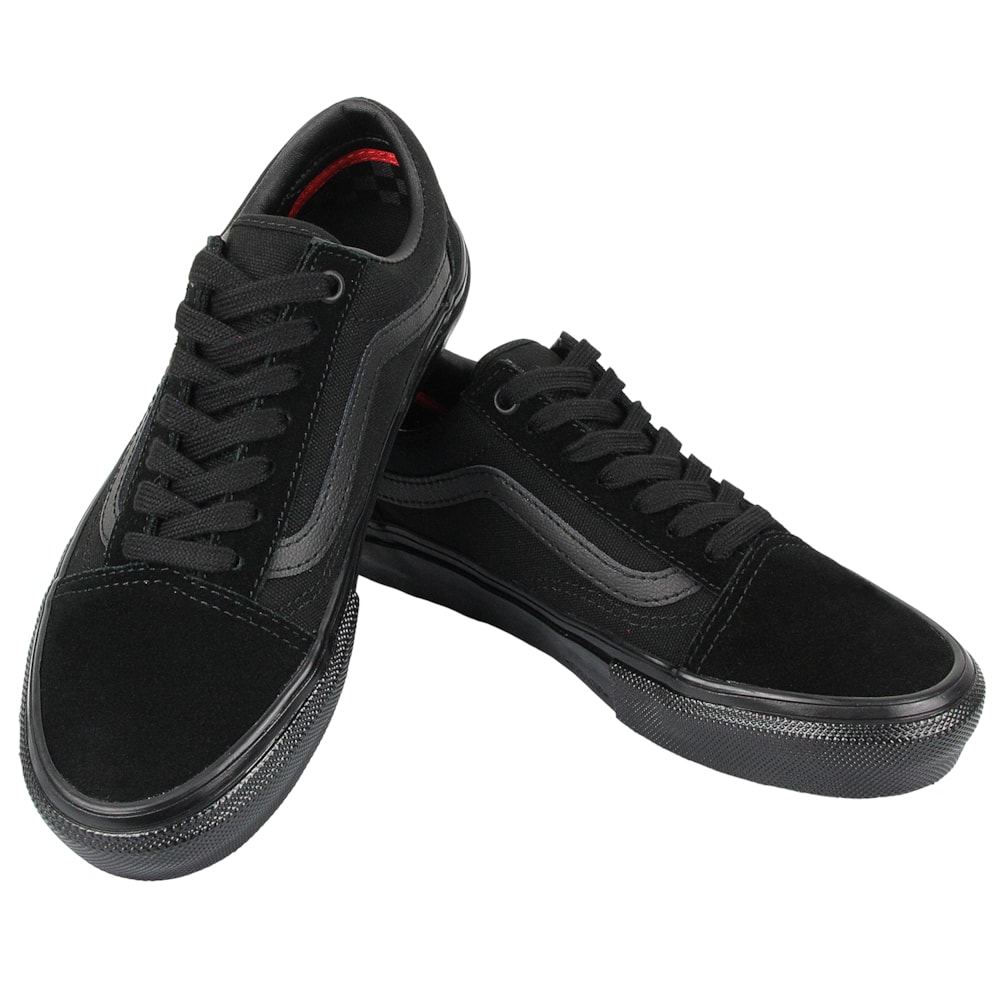
Replace features rather than chasing a vague look. For a simple Dekline vulcanized low-top, compare current Lakai Manchester, Vans Skate, Emerica, or Converse CONS options with a similar toe shape and collar. For a padded technical model, examine active DC, Etnies, Globe, éS, or Osiris shoes. Match sole construction, upper material, tongue volume, and width in that order. A current substitute will not recreate the team era or graphic details, but it can reproduce the functional reason the old shoe was loved.
Why Dekline remains worth documenting
Legacy brands fill the gaps between famous corporate timelines. Dekline shows how skateboarding supported a varied footwear ecosystem and how much product identity could be carried by a team and a network of independent shops. Documenting that history also improves buying decisions: it prevents stale inventory from being presented as current, separates collectible value from skating utility, and helps former customers translate remembered features into active alternatives. The honest conclusion is not that every old model should return; it is that the brand's place in skate culture deserves accurate labels and careful sourcing.
Preserve evidence with the object
Collectors can retain more of a pair's story by keeping the original box, tissue, spare laces, receipt, and any printed insert. Photograph the labels before ink fades and store the shoes away from direct sun, high heat, and damp conditions. Storage cannot stop all aging, but documentation prevents future confusion between similar colorways or rereleases. For a legacy brand with fragmented online records, the packaging attached to an exact pair may become more informative than a stale retailer page.
People also ask
Questions that extend this decision
Dekline Skate Shoes: History, Key Models and Current Availability: Is Dekline currently a normal active skate-shoe brand?
It should be treated as a legacy brand. Marketplace pages may contain old inventory, but they do not establish a current official catalog or dependable support.
Dekline Skate Shoes: History, Key Models and Current Availability: Which Dekline model names are remembered?
Archive discussions commonly include models such as the Belmont, Santa Fe, TimTim, and River. Exact versions and materials must still be verified from period evidence.
Dekline Skate Shoes: History, Key Models and Current Availability: Can unworn Dekline shoes still be skated?
Possibly, but age creates risk. Inspect adhesive bonds, rubber flexibility, foam, lining, and synthetic surfaces before treating deadstock as performance footwear.
Dekline Skate Shoes: History, Key Models and Current Availability: What is the best replacement for a Dekline shoe?
There is no one replacement. Match the old model's sole type, toe shape, padding, material, and width to a current Lakai, Vans, Emerica, DC, Etnies, Globe, éS, or similar shoe.
Final verdict
Choose the tradeoff you understand.
Dekline belongs in skate-footwear history, while any current Amazon availability should be checked model by model without implying a complete active catalog. Fit comes first, the repeated session demand comes second, and the exact current product identity comes third. Use Amazon to verify sizes and options without relying on stale price or stock claims.
As an Amazon Associate, we may earn from qualifying purchases.
Check current options on Amazon