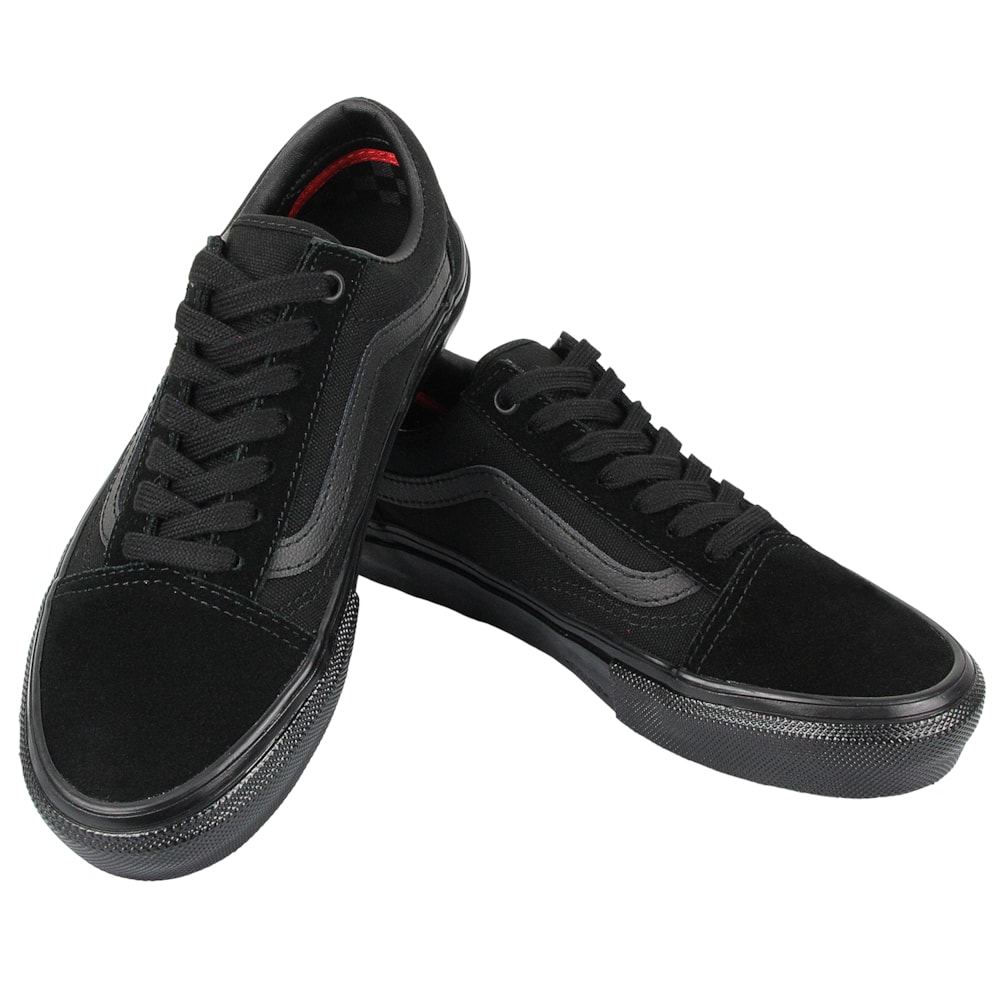


The best shoe begins with the session
A useful skate-shoe ranking cannot ignore terrain and technique. Someone learning flat-ground tricks needs a predictable toe and stable grip; a rider skating gaps may prioritize heel protection; a cruiser may care more about walking comfort and ventilation. Write down the two most common session types and the point where current shoes fail. That produces a decision brief more valuable than a universal top-ten list. Construction, fit, and wear path can then narrow the catalog before brand or color enters the conversation.
Best lane for direct board feel
Low-profile vulcanized shoes are the natural starting point for riders who want to sense the deck's edge and flex the forefoot quickly. Clean toe shapes from Vans Skate, Lakai, Converse CONS, adidas Skateboarding, and similar lines offer many variations on that idea. The tradeoff is less material between foot and impact. Look for a secure heel, durable flick zone, and enough insole for the actual terrain. A paper-thin shoe is not automatically precise if it slides inside or bends in the wrong location.
Best lane for harder landings
Cupsoles usually provide a more structured platform and more room for midsoles or heel cushioning. Models such as the Etnies Marana Michelin, Lakai Telford family, and modern technical offerings from New Balance Numeric or Nike SB illustrate different approaches. The category is broad: one cupsole may feel flexible while another remains firm. Compare heel stability, forefoot bend, and total stack rather than assuming every stitched sole is bulky. Protection should reduce fatigue without making catches unpredictable.
Best lane for durability
Durability comes from aligning reinforcement with personal damage. A fused toe cap helps a rider who burns through the front, hidden lace loops help someone who snaps laces, and a strong outsole matters when tread disappears before the upper. Suede or leather usually outlasts unreinforced canvas under repeated grip-tape contact. No feature guarantees months of service, because stance, grip tape, trick repetition, and session frequency dominate wear. Inspect old shoes and shop for the next pair as a targeted repair to that pattern.
As an Amazon Associate, we may earn from qualifying purchases.
View the mid-guide match on AmazonBest approach for wide feet
Width is a shape question, not permission to add excess length. Puffy heritage shoes often provide more upper volume, but appearance alone does not prove a wide last. Try the normal size first and check pressure at the little toe, first joint, and instep. If the heel is secure and toes lie naturally, the fit is promising. If moving up removes side pressure but creates a long empty toe, choose another model. Reviews are useful clues, yet individual foot geometry must settle the choice.
Best choices for beginners
A beginner benefits from predictability more than extreme specialization. Look for a flat grippy sole, moderate cushioning, a durable suede high-wear zone, and a fit that stays secure during pushing. Avoid buying a very stiff impact shoe solely because advanced riders skate large gaps, or a minimal shoe because it promises maximum feel. Early sessions include lots of walking, braking, and repeated setup, so comfort matters. Familiar low-tops and balanced cupsoles are both valid if the foot sits correctly.
Best shoes for skating and casual wear
For one-pair crossover, favor a silhouette comfortable during walking and an upper that still has real skate reinforcement. Low-profile models look understated, while padded DC, Etnies, Globe, or Osiris styles make a stronger heritage statement. Separate pairs are smarter if preserving appearance matters; grip tape will scuff the casual shoe quickly. White leather cleans more easily than light suede, but material variation can change within the same model. Choose the exact colorway only after its construction is confirmed.
Build a three-pair shortlist
Compare no more than three serious candidates: one that maximizes board feel, one that maximizes protection, and one balanced alternative. Record sole type, upper material, likely wear protection, collar height, width notes, and return policy. Eliminate any pair with ambiguous variation identity or missing size information. Then choose the candidate whose compromises match the session. This method prevents dozens of similar thumbnails from hiding the meaningful differences and makes the final retailer click purposeful rather than impulsive.
Read negative reviews by failure type
Low ratings become useful only when they identify a repeatable problem. Separate complaints about seller delivery from reports of heel slip, narrow forefoot pressure, early outsole separation, or unusual material wear. Confirm that the reviewer selected the same model and variation, because parent pages can merge feedback across colors and sizes. One person's destroyed toe may reflect a different stance; several reports of the same seam failing deserve more weight. Reviews refine a shortlist but do not replace an on-foot fit test.
People also ask
Questions that extend this decision
Best Skate Shoes: Picks by Fit and Session: What qualities make a good skate shoe?
A stable flat outsole, reliable grip, secure fit, appropriate impact protection, and reinforcement along the rider's actual wear path matter more than a famous logo.
Best Skate Shoes: Picks by Fit and Session: Is a cupsole better than a vulcanized sole?
Neither is universally better. Cupsoles tend toward structure and impact management; vulcanized shoes tend toward early flex and close board feedback.
Best Skate Shoes: Picks by Fit and Session: Should skate shoes feel tight?
They should feel secure, especially at the heel, but toes must lie naturally. Numbness, sharp side pressure, or curled toes indicate a poor fit.
Best Skate Shoes: Picks by Fit and Session: How many shoes should I compare?
A focused shortlist of three is usually enough when each represents a distinct construction or priority. More nearly identical options often add noise rather than insight.
Final verdict
Choose the tradeoff you understand.
The best best skate shoes are the pairs that meet this exact need without giving up secure fit, predictable grip or the protection your sessions require. Fit comes first, the repeated session demand comes second, and the exact current product identity comes third. Use Amazon to verify sizes and options without relying on stale price or stock claims.
As an Amazon Associate, we may earn from qualifying purchases.
Check current options on Amazon