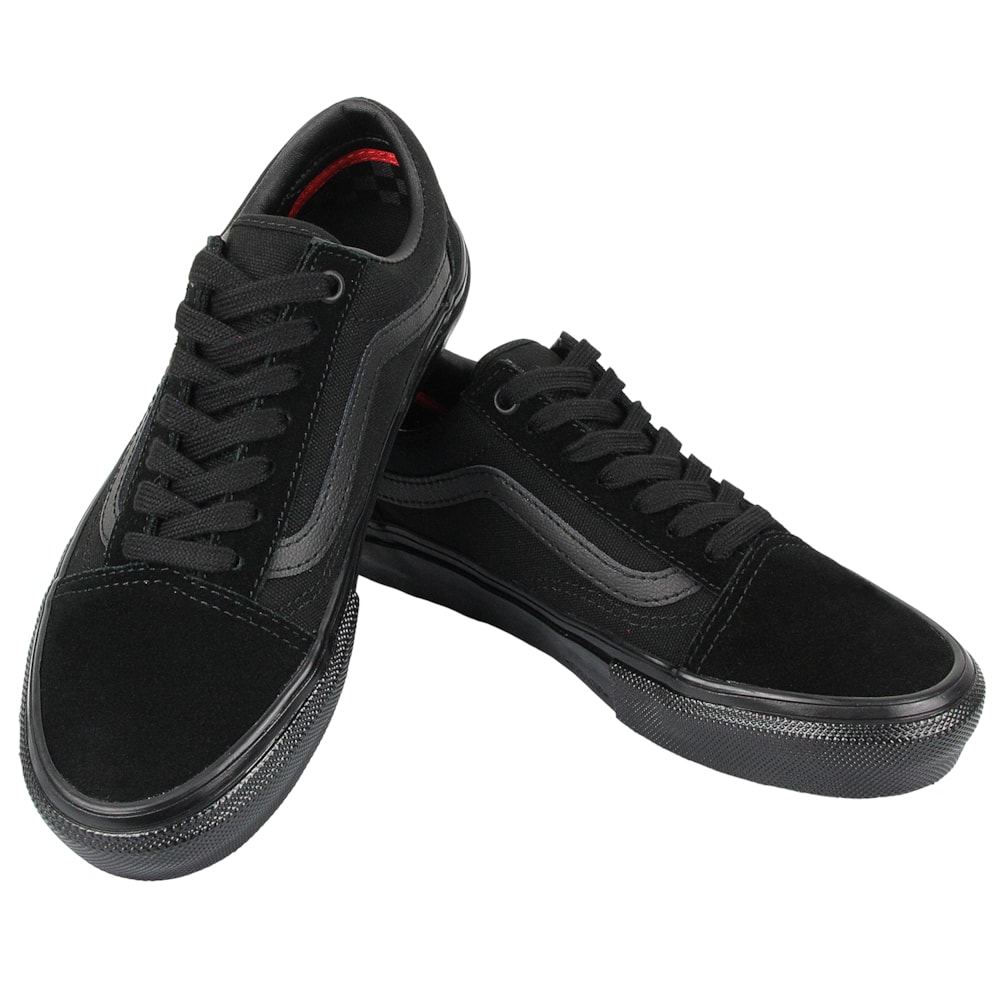


The best skate-shoe lace fits the eyelets and stays out of grip tape
Skate laces fail because grip tape repeatedly contacts exposed crossings, especially near the front foot's flick zone. A good replacement has the correct length and shape for the shoe, holds a knot and does not leave large loose loops. Material durability helps, but routing and shoe construction often decide lifespan before the fiber itself.
Start by examining where the old lace broke. A clean cut at one crossing suggests grip-tape exposure. Fraying along the whole length suggests rough eyelets or abrasion from tight movement. A break near the knot may come from repeated tying or an overly short lace. The failure pattern determines whether to change material, length or lacing method.
Flat versus round laces
Flat laces spread pressure across the tongue, resist rolling and suit most classic skate low-tops. Their broad surface can also present more material to grip tape when exposed. Round laces pass easily through small or hidden loops and may slide away from contact, but they can loosen more readily if the knot and material are not compatible.
Puffy technical shoes often use wide flat laces that visually balance the tongue, while slim models may work with either type. Preserve the eyelet size and intended tension. Forcing a thick lace through a small loop can damage the loop, which is a harder repair than replacing another lace.
Choose length from the shoe, not a universal chart
Eyelet count provides a starting point, but spacing, tongue volume and preferred lacing change the needed length. High-tops require more lace than low-tops, and a puffy tongue uses extra length across each crossing. Measure the removed lace when it fit well. If it was too long or too short, adjust modestly rather than guessing from shoe size.
The finished bow should be large enough to tie securely but short enough to stay away from the board and wheels. Tucking huge loops into the shoe can create pressure. Wrapping excess lace around the ankle changes fit and can restrict movement. The right length solves the problem cleanly.
Protected and reinforced laces
Some replacement laces use reinforced fibers or coatings intended to resist abrasion. They can extend life, but no exposed textile is immune to fresh grip tape. Coated laces may feel stiff and can change how easily tension distributes. Evaluate whether the extra durability is worth the texture and knot behavior.
Hidden lace loops, recessed eyelets and lace protectors built into a shoe often produce a larger benefit than an expensive lace. When buying a new model, skaters who cut laces constantly should inspect those construction details. A slip-on removes lace failure altogether, provided the last fits securely.
As an Amazon Associate, we may earn from qualifying purchases.
View the mid-guide match on AmazonLacing patterns that reduce wear
The goal is to reduce exposed length across the actual flick zone without creating uneven pressure. Skipping one vulnerable external crossing can help when the shoe's remaining eyelets still hold the foot. Some models allow an underlay or hidden loop to carry tension beneath the upper. Do not invent a path that lets lace rub against the foot or creates a hard knot inside.
After relacing, bend the knees and simulate a push. The heel should remain planted and the tongue centered. If protecting the lace makes the shoe loose, the performance cost exceeds the durability gain. Fit remains the first job of the lacing system.
Quick field fixes versus proper replacement
A snapped lace can sometimes be re-tied below the damaged section to finish a session, but the shorter system may hold unevenly. Heat-sealing is only appropriate for compatible synthetic ends and should be done away from the shoe, skin and flammable materials. Knots placed over pressure points can become painful.
Carry a spare pair in the skate bag in the known correct length. Replace both laces when their wear is similar so tension remains consistent. Check eyelets for sharp edges before installing the new set; otherwise the replacement may fail in the same place without touching grip tape.
Color and reflective details are secondary choices
Matching black, white or gum-neutral laces preserve the shoe's original look, while contrast laces can refresh a worn pair. Light colors show grip dust quickly. Reflective or decorative fibers may be useful for visibility or style, but they should not be described as performance upgrades without evidence.
The replacement should not be represented as an exact manufacturer component unless it is. Product cards need accurate length, shape and material. Avoid compatibility claims across every shoe; eyelet dimensions and tongue volume vary even within one brand.
Final lace buying method
Record the current lace's measured length, flat or round shape, width and failure point. Select a replacement that fits the eyelets and yields a compact bow. If grip tape cut one crossing, reroute or protect that zone. If eyelets caused fraying, repair the eyelet before sacrificing another set.
Use exact Amazon links for the specific lace product, not a generic search, and avoid claims about unverified cut resistance. Laces are inexpensive compared with shoes, but the right set protects fit and keeps a session moving. The best skate lace is the one that stays tied, distributes pressure and minimizes exposure on that particular shoe.
People also ask
Questions that extend this decision
Best Skate Shoe Laces: Picks by Fit and Session: What length skate-shoe laces do I need?
Measure a lace that fits the shoe well. Eyelet count is only a starting point because spacing, tongue thickness and lacing pattern change required length.
Best Skate Shoe Laces: Picks by Fit and Session: Are flat or round laces better for skating?
Flat laces spread pressure and suit many skate shoes; round laces can work well with small or hidden loops. Fit and exposure matter more than shape alone.
Best Skate Shoe Laces: Picks by Fit and Session: How can I stop skate laces from breaking?
Identify the grip-tape contact crossing, use protected routing where the shoe allows it, replace rough eyelets and keep loops short. Reinforced laces help but are not abrasion-proof.
Best Skate Shoe Laces: Picks by Fit and Session: Can I skate with a snapped lace?
A temporary re-tie may finish a light session if the shoe remains secure, but uneven hold can reduce control. Replace the lace as soon as practical.
Final verdict
Choose the tradeoff you understand.
The best skate shoe laces are the pairs that meet this exact need without giving up secure fit, predictable grip or the protection your sessions require. Fit comes first, the repeated session demand comes second, and the exact current product identity comes third. Use Amazon to verify sizes and options without relying on stale price or stock claims.
As an Amazon Associate, we may earn from qualifying purchases.
Check current options on Amazon