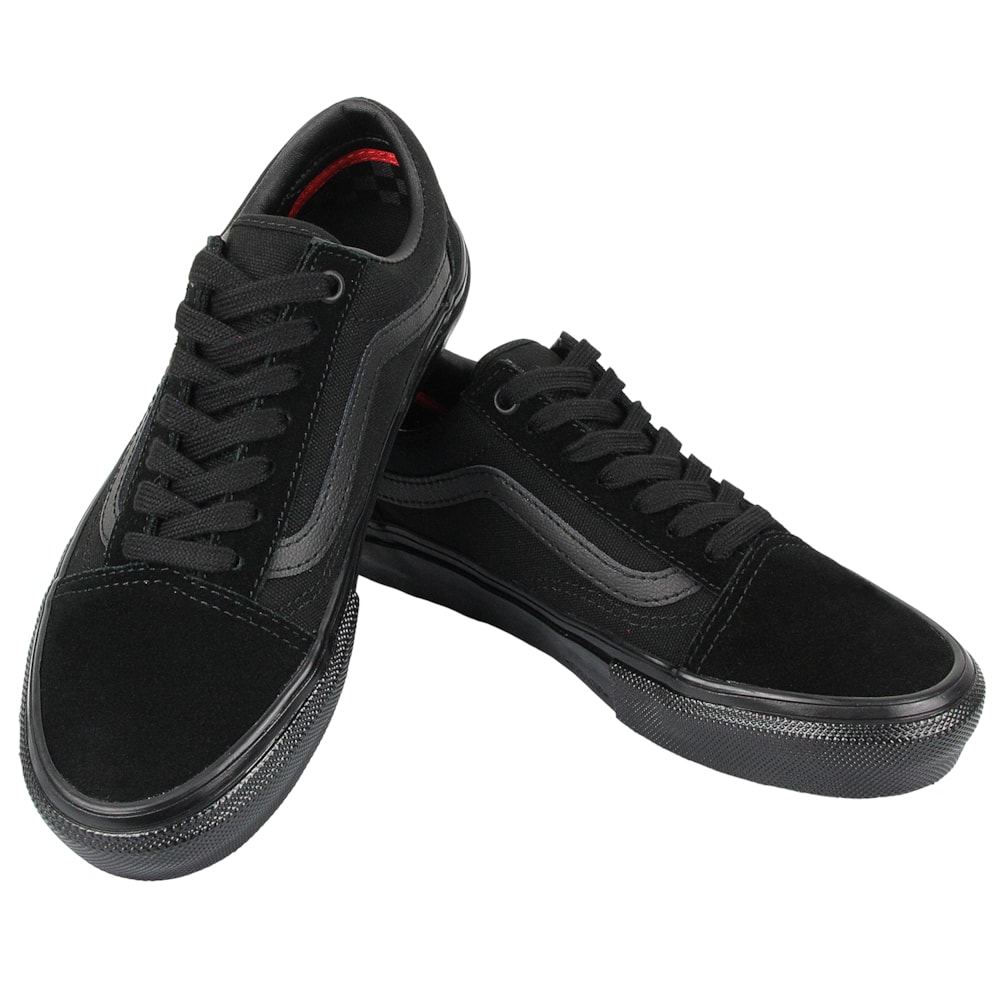

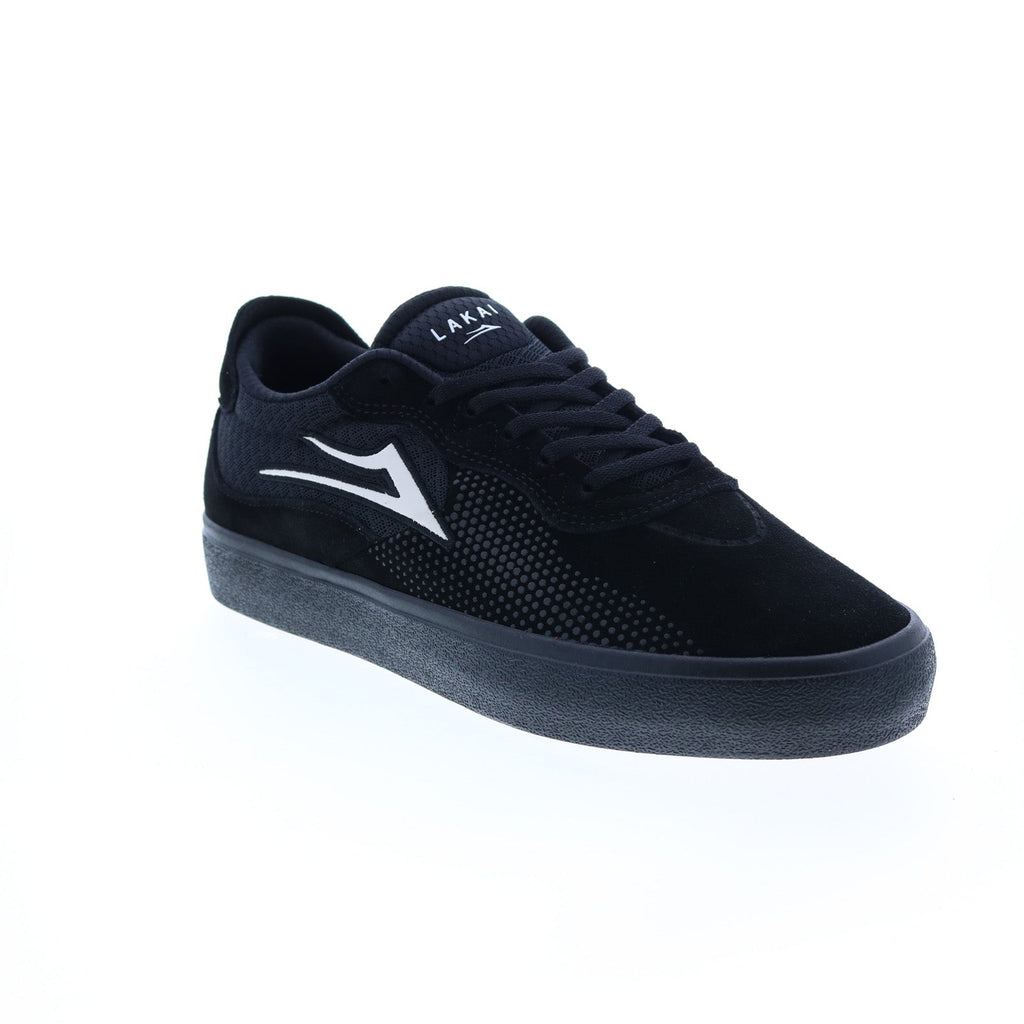


Low tops maximize choice and ankle mobility
Low-top skate shoes sit below the ankle, leaving movement unrestricted and reducing upper weight. The category includes nearly every construction: thin vulcanized classics, structured cupsoles, slip-ons and court-derived models. Collar height alone does not determine board feel or protection.
The best low top fits the heel despite the lower collar. A shoe that depends on ankle padding to hide heel lift is the wrong shape. Begin with fit, then choose sole and upper according to the session.
Best board-feel low tops
Vans Skate Authentic and Era, Nike SB Chron 2, Numeric 306, Lakai Cambridge and selected Emerica shoes occupy the flexible lane. They suit technical flatground, ledges and riders who value quick forefoot response. Skate-specific reinforcement is important because simple canvas versions can abrade rapidly.
The compromise is impact separation. Thin soles and minimal collars transmit more force. Add only as much insole as the fit can accommodate, or move to a structured model when harder landings become normal.
Best balanced low-top cupsoles
adidas Busenitz and Samba ADV, Nike SB Dunk Low Pro, Etnies Marana and selected New Balance Numeric models show how a low collar can sit above a supportive platform. These shoes favor stability and cushioning without using a high upper.
They generally need more break-in and provide less immediate feedback than vulcanized choices. A secure heel is crucial because the collar cannot compensate for excess length.
Best slip-on lane
Vans Skate Slip-On and other skate-specific slip-ons remove exposed laces, solving a common grip-tape failure. Elastic side panels must hold the foot securely; a casual slip-on that slides at the heel is unsuitable for technical movement.
Slip-ons work well for convenience, cruising and riders whose foot shape matches the upper. They offer less adjustment for narrow heels or high insteps. Verify the performance version and reinforcement.
As an Amazon Associate, we may earn from qualifying purchases.
View the mid-guide match on AmazonFit the heel before judging toe room
With less collar coverage, heel movement becomes obvious. Tap the heel back, lace normally and take lateral steps indoors. The foot and shoe should move together. Natural toe room is necessary, but extra length is not a substitute for width.
A padded low top can consume more interior volume than a minimal one. Compare exact tongue, insole and toe shape. Some materials soften, but the last does not become longer.
Upper height does not determine durability
A low top can be extremely durable when suede, toe reinforcement, seam placement and outsole match the wear pattern. A high top can fail quickly at an exposed ollie zone. Inspect the portion that touches grip tape rather than assuming more material means longer life.
Laces remain vulnerable on low tops. Hidden loops and shorter exposed runs help. Slip-ons eliminate lace wear but should not be chosen if the fit is loose.
Know when a mid or high top is better
Choose more collar coverage for board strikes, warmth or a held feeling around the ankle. That choice does not guarantee injury prevention, but it may improve confidence and comfort. Riders who dislike restriction or heat usually prefer low tops.
A mid top such as Half Cab or Blazer Mid provides compromise coverage. Compare the actual sole beneath it; a higher collar does not automatically add impact cushioning.
Low collars change board-strike and weather exposure
A low top leaves the ankle more exposed to a board edge, cold air and debris. Some riders value the freedom enough to accept that contact; others prefer a mid collar after repeated ankle strikes. Socks can add warmth and light coverage but do not recreate a shoe's structure.
Warm weather often favors low tops because less upper surrounds the ankle, yet material still controls airflow. A leather low top may feel hotter than a canvas high top. Water resistance also depends on the exact upper and seams. Do not describe a low shoe as breathable or weather-ready without checking its construction.
Shoe opening shape affects debris as well. A loose heel can admit small stones and grip-tape dust during pushing, while a properly fitted collar stays close without rubbing. Clean debris promptly because repeated particles can abrade socks, lining and skin. If the rider repeatedly stops to adjust the shoe, compare a more secure heel shape before blaming low tops as a category.
Final low-top picks by construction
Choose a reinforced vulcanized low top for maximum flex, a low cupsole for impact balance, or a skate-specific slip-on for lace-free convenience. Wide-foot shoppers should prioritize verified toe shape; casual walkers should compare underfoot comfort.
Use exact Amazon product cards and confirm the skate-specific version, material and size. Low top is the starting silhouette, not the final decision.
People also ask
Questions that extend this decision
Best Low-Top Skate Shoes: Picks by Fit and Session: Do low-top skate shoes have better board feel?
Not because of collar height alone. Many low tops are vulcanized and flexible, but some use structured cupsoles.
Best Low-Top Skate Shoes: Picks by Fit and Session: Do low tops provide enough heel hold?
They should when the shape and lacing fit correctly. Heel lift is a fit problem, not a required feature of low collars.
Best Low-Top Skate Shoes: Picks by Fit and Session: Are slip-ons good low-top skate shoes?
Skate-specific slip-ons can work well when elastic hold and reinforcement are secure. Casual loose slip-ons are less suitable.
Best Low-Top Skate Shoes: Picks by Fit and Session: Are low tops less durable than high tops?
No. Durability depends on upper material, reinforcement, seams and outsole rather than collar height. A low suede shoe can outlast a high canvas shoe when its reinforcement matches the rider's abrasion path. Inspect the actual toe and sidewall instead of judging lifespan from silhouette.
Final verdict
Choose the tradeoff you understand.
The best low-top skate shoes are the pairs that meet this exact need without giving up secure fit, predictable grip or the protection your sessions require. Fit comes first, the repeated session demand comes second, and the exact current product identity comes third. Use Amazon to verify sizes and options without relying on stale price or stock claims.
As an Amazon Associate, we may earn from qualifying purchases.
Check current options on Amazon