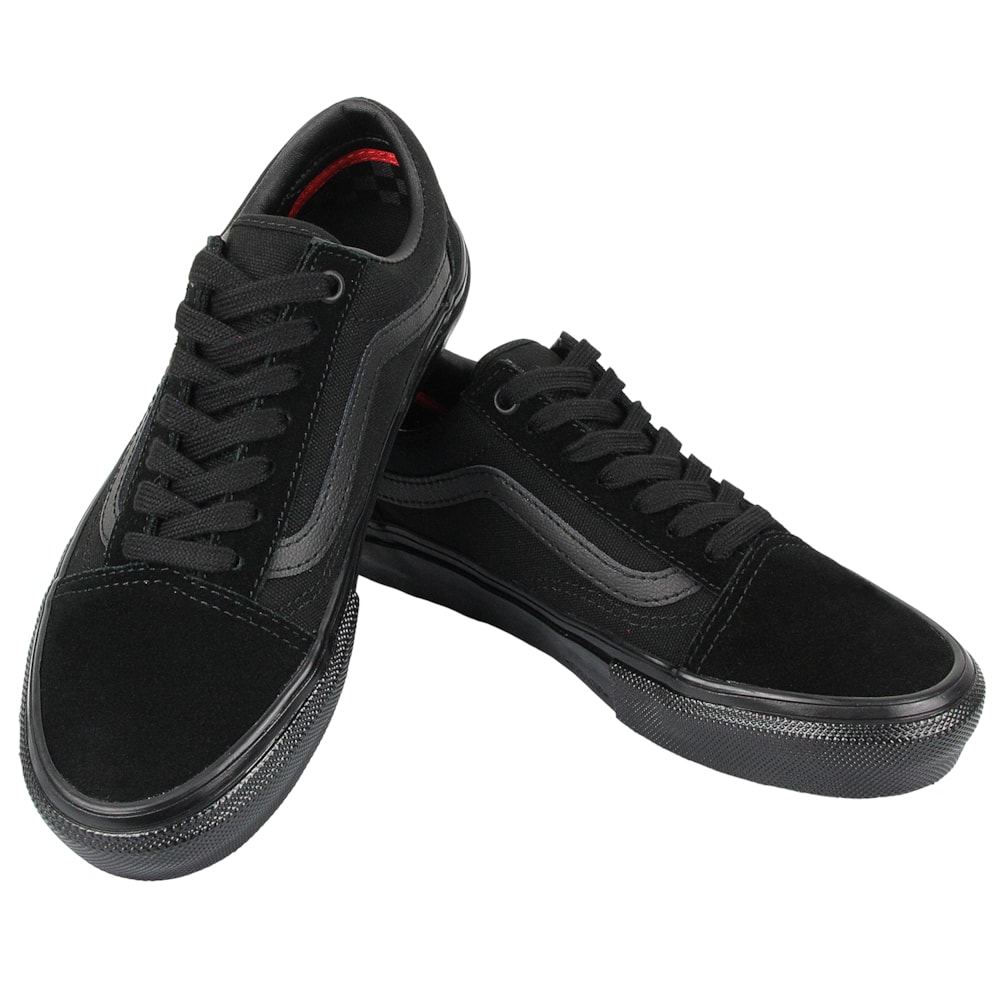


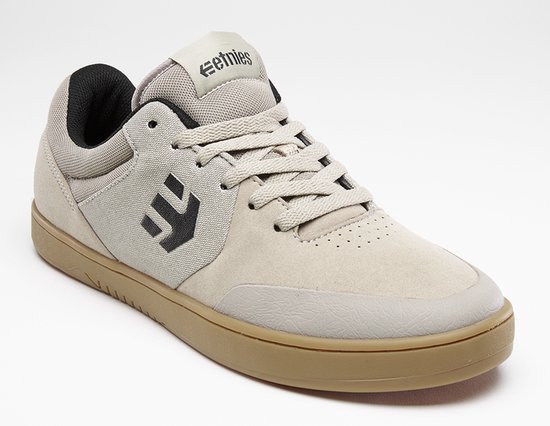
A cupsole earns its place through controlled structure
Cupsole describes how the bottom is built around the upper, but it does not guarantee one feel. The useful models create a stable platform, hold the heel and still flex at the forefoot after an appropriate break-in. Some prioritize impact separation, others preserve more deck feedback, and a heavy-looking shoe can still disappoint if the fit allows internal movement. Build a shortlist by the problem being solved—harsh landings, rapid outsole wear, excessive twisting or lack of support—rather than collecting models under a construction label.
Impact-focused cupsoles trade immediacy for separation
Riders spending sessions on stairs, gaps or larger transition often prefer deeper, more structured soles because familiar landings feel less direct. Models in the technical lanes of Etnies, New Balance Numeric, Nike SB, adidas Skateboarding and other skate brands can be compared here, but exact cushioning systems and shapes vary. The tradeoff is a greater distance from the deck and sometimes a longer break-in. A good impact cupsole should not feel unstable or force the ankle outward. Protection remains a combination of fit, construction, landing mechanics and sensible progression.
Balanced cupsoles keep enough information from the board
A middle-lane cupsole suits skaters who want more underfoot structure than a vulcanized shoe without losing the ability to locate edges during technical tricks. The New Balance Numeric 440 is an example of why this category is useful: shoppers often approach it as a bridge rather than an extreme. Other brands offer their own interpretations. Compare forefoot thickness, flex location, upper containment and how soon the shoe becomes predictable. “Balanced” is not a measured feature; it is the result of the shoe meeting the rider's preferred compromise.
Upper construction decides whether the platform stays useful
A long-lived sole is wasted if the flick area opens first. Suede forefeet, reinforced high-abrasion panels and protected stitching are sensible for repeated flip tricks. Mesh can improve airflow but needs placement away from direct grip-tape contact or suitable overlays. Confirm the upper material on the selected variation because one model family can include different colorway constructions. Examine the lace path as well: a robust cupsole with exposed lower laces may create recurring interruption unless the rider adjusts lacing or selects a more protected design.
As an Amazon Associate, we may earn from qualifying purchases.
View the mid-guide match on AmazonFit should prevent movement inside the structure
Cupsoles can disguise poor fit because padding feels secure while the foot still slides. Check heel lift during a forward roll, side movement through the forefoot and toe contact on a decline. The shoe should contain the foot without requiring painful lacing pressure. Riders with broad feet need an appropriate last, not merely a larger size, while low-volume feet may need more adjustable closure. Extra empty length shifts the flex point and reduces precise control. Test with session socks and any intended insole before the outsole touches pavement.
Break-in should be gradual, not painful
A structured shoe can feel firm during the first indoor test and loosen through controlled wear. That does not justify numbness, sharp pressure or toes forced out of position. Begin with short rolling and basic tricks rather than taking a new cupsole directly to the largest obstacle. Track whether the forefoot flex becomes natural while the heel remains stable. If the upper softens but internal movement increases, the shape may be wrong. Break-in adapts materials; it does not change length or relocate an arch that misses the foot.
Temperature can alter the first impression, too. A cold rubber sole may feel less willing to bend than it does during a normal session. Let the pair reach ordinary indoor conditions before comparing flex, without using a heater or another forced method.
Insole swaps can improve or destabilize the shoe
A removable insert allows adjustment, but thickness changes internal geometry. A deeper or firmer insole may lift the heel, tighten the instep and reduce toe height. Remove the original before testing a replacement unless the manufacturer's directions specify another setup. Stand, roll the foot and mimic a skating stance indoors. The cupsole's sidewall should still contain the foot. A soft insert cannot transform an unsuitable platform into an impact shoe, and a supportive device should follow professional guidance when it addresses a diagnosed condition.
Compare three distinct cupsole lanes
Choose one impact-oriented technical model, one balanced all-rounder and one lower-profile cupsole built for closer feedback. Verify exact materials, size, seller information and return conditions on the product page. Test the finalists for heel hold, forefoot bend and pressure, then select the lane matching most sessions rather than the rarest obstacle. Riders who value instant flex above structure may still prefer vulcanized footwear. The best cupsole is not the thickest shoe; it is the platform that remains predictable after break-in and addresses the rider's repeated demand.
People also ask
Questions that extend this decision
Best Cupsole Skate Shoes: Picks by Fit and Session: Are cupsole skate shoes always stiff?
No. They range from firm impact platforms to lower-profile designs with meaningful forefoot flex. Exact construction and break-in matter more than the category name alone.
Best Cupsole Skate Shoes: Picks by Fit and Session: Do cupsoles protect heels better than vulcanized shoes?
Many offer greater structure and separation, making them a logical comparison for impact. No sole eliminates injury risk, and fit plus landing mechanics remain important.
Best Cupsole Skate Shoes: Picks by Fit and Session: Can technical skaters get enough board feel from a cupsole?
Yes, if they choose a thinner or balanced model and allow a controlled break-in. Riders should compare how easily they locate deck edges rather than relying on labels.
Best Cupsole Skate Shoes: Picks by Fit and Session: Why does my heel slip in a padded cupsole?
Padding can hide excess volume or length. Recheck size, heel shape, lacing and any insole that raises the foot; do not solve movement by crushing the forefoot.
Final verdict
Choose the tradeoff you understand.
The best cupsole skate shoes are the pairs that meet this exact need without giving up secure fit, predictable grip or the protection your sessions require. Fit comes first, the repeated session demand comes second, and the exact current product identity comes third. Use Amazon to verify sizes and options without relying on stale price or stock claims.
As an Amazon Associate, we may earn from qualifying purchases.
Check current options on Amazon